


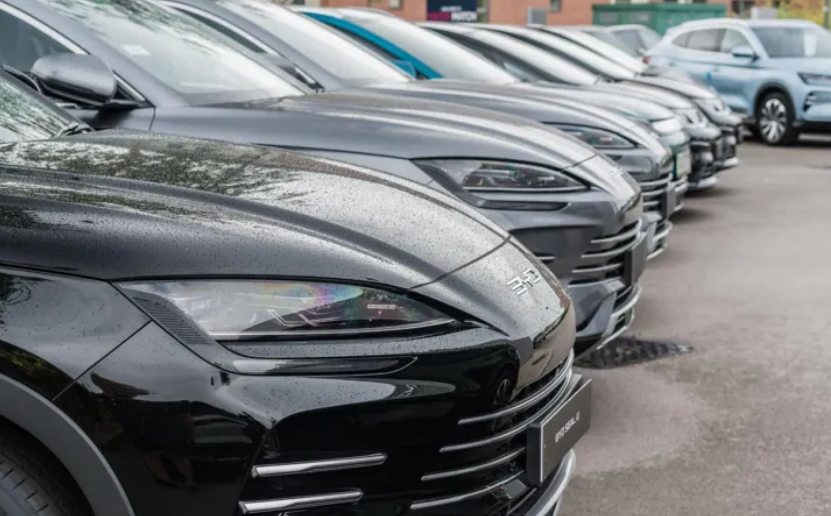
China’s BYD is poised to surpass Elon Musk’s Tesla as the world’s largest seller of electric vehicles (EVs), marking the first time the American company has been overtaken in annual sales.
On Thursday, BYD reported that its battery-powered car sales rose nearly 28% in 2025, reaching more than 2.25 million vehicles. Tesla, which is expected to release its full sales figures later on Friday, last week shared analyst estimates indicating around 1.65 million units sold for the year.
The milestone highlights the growing strength of Chinese EV manufacturers, which have been aggressively expanding their global footprint and offering competitive pricing. BYD, now China’s largest electric carmaker, faces competition from other domestic brands including Geely and MG, which have put pressure on Tesla by selling vehicles at lower prices than established Western brands.
Tesla has responded with lower-priced versions of its two top-selling models in the United States in an effort to boost demand. Despite these moves, the company faced a challenging year as some new offerings received mixed reviews and concerns arose over Musk’s political activities and other business ventures.
Musk, already the world’s richest person, is under pressure to significantly increase Tesla’s sales and stock value in order to secure a record-breaking pay package approved by shareholders in November. The plan could yield up to $1 trillion (£740 billion) over the next decade, contingent on achieving ambitious targets that include selling one million humanoid robots. Tesla has invested heavily in its “Optimus” robotics project and self-driving “Robotaxis” to meet these goals.
Tesla’s sales slipped in the first quarter of 2025, following public scrutiny of Musk’s involvement in former US President Donald Trump’s administration. Some investors argued that his attention to multiple ventures—including SpaceX, the social media platform X, the Boring Company, and his government role—diverted focus from Tesla’s operations. Musk has since pledged to significantly reduce his government involvement.
Analysts say BYD’s growth underscores a broader trend of Chinese EV makers gaining market share at the expense of Western firms. Competitive pricing, rapid expansion of production capacity, and strong domestic demand have allowed Chinese manufacturers to challenge Tesla in both domestic and international markets.
BYD’s surge comes at a time when the global EV market is expanding rapidly, as governments worldwide push for reduced carbon emissions and consumers increasingly adopt electric mobility. The company’s achievement not only represents a major milestone in EV sales but also signals the shifting balance of power in the automotive industry.
As BYD moves past Tesla in annual sales, the competition for global dominance in electric vehicles is expected to intensify, with both Chinese and Western manufacturers investing heavily in technology, production, and new markets to capture the next wave of consumers.
