


China is taking a careful approach to the ongoing war in Iran, avoiding direct involvement while positioning itself as a neutral actor amid escalating tensions in the Middle East. The conflict, which has disrupted global energy flows and raised the risk of wider regional escalation, has put major economies on edge, with Beijing walking a delicate line between energy security and diplomatic balance.
Analysts note that China has been deliberately measured in its public statements. “China has very little to lose by staying quiet and a lot to gain by being seen as a neutral party,” said Ben Cavender, managing director at China Market Research Group.
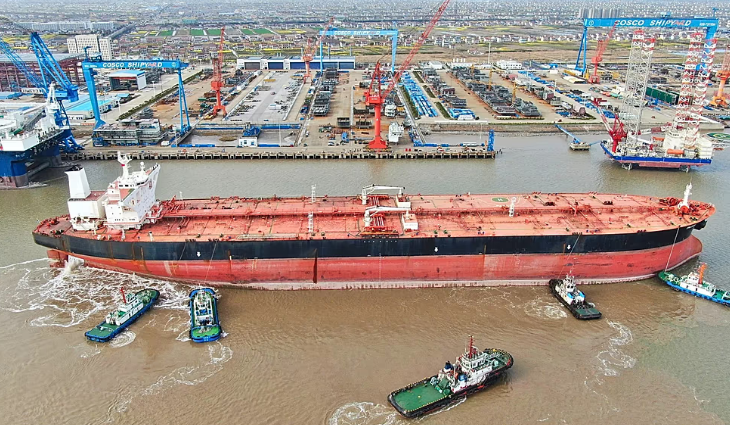
Energy security plays a central role in China’s strategy. The country depends heavily on oil imports from Iran and Gulf states, making it one of the largest buyers of Iranian crude, often at discounted rates due to sanctions. The conflict has heightened concerns over potential disruptions to shipments through the Strait of Hormuz, a critical chokepoint that carries a significant share of global oil.
“There are no easy substitutes,” said Tatiana Khanberg, founding director at Statem Consulting. She noted that China’s ability to influence events on the ground remains limited compared to the United States, which continues to play a central security role in the Gulf.
Since the outbreak of hostilities, Beijing has avoided taking sides, focusing on protecting its economic interests and maintaining stable relations with all parties involved. That neutrality is being tested, however, as China balances its longstanding ties with Iran against its growing trade and investment relationships with Gulf countries.
Despite these pressures, analysts suggest China’s position gives it some strategic advantages. Khanberg said the country is less immediately exposed than it appears, pointing to heavy domestic investments and fallback options such as coal, which reduce China’s dependence on uninterrupted oil imports.
By prioritizing energy access, China has so far remained relatively insulated from the conflict’s immediate economic impact. Cavender said the country’s measured stance may also yield political gains, as it is increasingly perceived as a stable and rational actor compared to the United States, potentially opening opportunities for trade realignment toward Beijing.
Still, uncertainties remain. Khanberg warned that the broader outlook depends on which countries can navigate the disruptions most effectively. “It may come down to who is better able to ride through the storm. China has scale on its side,” she said, highlighting the country’s capacity to absorb shocks in energy supply and economic disruptions.
As global oil markets continue to fluctuate, China’s careful neutrality and emphasis on energy security could allow it to maintain influence in the region while shielding its economy from the worst effects of the Middle East conflict.
