


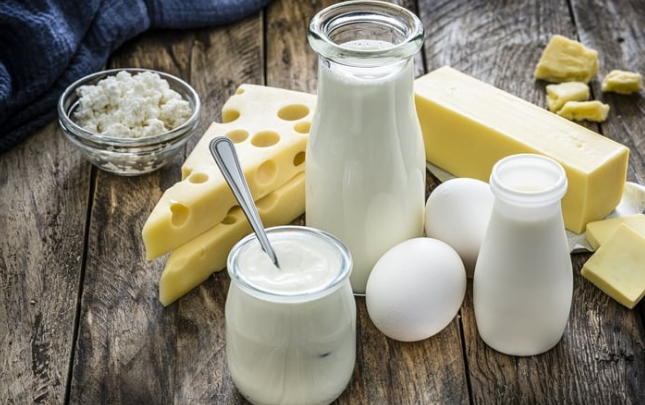
China will impose provisional duties of up to 42.7% on dairy products imported from the European Union, the latest step in what many see as retaliation for EU tariffs on Chinese electric vehicles. The measures take effect tomorrow and cover a range of products including unsweetened milk and cream, as well as fresh and processed cheeses such as French Roquefort and Camembert. Most companies will pay just under 30% in tariffs, while a few face rates at the maximum.
China’s Ministry of Commerce said the decision followed an investigation that found evidence EU subsidies for dairy production harmed domestic producers by allowing European exporters to sell at lower prices. “We have determined that the EU’s financial support of dairy exports creates unfair competition in China,” the ministry said.
The European Commission, which coordinates trade policy for the bloc, described the Chinese investigation as based on “questionable allegations and insufficient evidence” and called the provisional tariffs “unjustified and unwarranted.” The Commission lodged a complaint at the World Trade Organization over a year ago and is reviewing the preliminary ruling, with a final decision expected by February 21.
China’s decision is provisional and could be revised, similar to last week’s final ruling on EU pork imports, which lowered earlier tariff rates. Trade tensions began in 2023 when Brussels launched an anti-subsidy probe into Chinese electric vehicles and subsequently imposed tariffs in October 2024. In response, Beijing has targeted EU brandy, pork, and now dairy.
“Dairy seems to be used as a political pawn in the wider EU-China EV dispute,” said Conor Mulvihill, director of Dairy Industry Ireland. He called on EU and Irish authorities to work quickly to mitigate impacts on farmers and the industry, noting that Irish dairy producers have complied fully with all previous information requests.
The tariffs will affect around 60 companies, including Arla Foods, whose brands include Lurpak and Castello. Most of these producers will face duties of 28.6% to 29.7%. Italy’s Sterilgarda Alimenti will pay 21.9%, while FrieslandCampina is subject to the maximum rate of 42.7%. The products under the investigation do not include infant formula, a high-margin export for European companies.
Analysts warn the tariffs may shift trade patterns. Tom Booijink, senior dairy specialist at Rabobank, said French producers are likely to be hardest hit, while New Zealand could benefit as European cheese becomes more expensive in China. The move may also support domestic producers, who are facing falling milk prices amid declining birth rates and weak consumer demand. China, the world’s third-largest milk producer, has urged farmers to reduce output and cull older cows to address oversupply.
Dairy Industry Ireland described the announcement as disappointing but stressed that EU and Irish producers are diversified across markets. Mulvihill added that the sector is seeking constructive dialogue with Chinese authorities to resolve the dispute and protect farm incomes.
