


China has condemned the British government’s decision to nationalise British Steel, warning that the move could undermine confidence among Chinese companies investing in the United Kingdom.
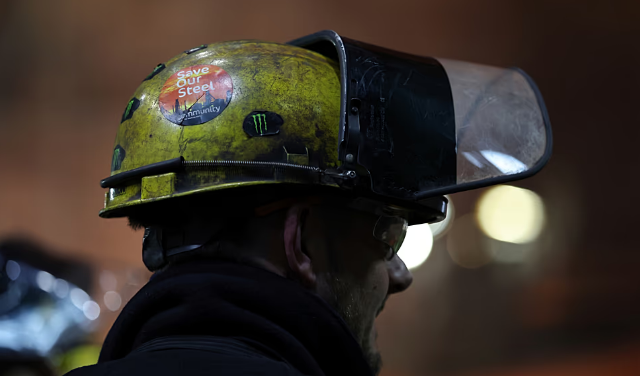
The criticism came a day after the UK government confirmed legislation had been passed to bring British Steel into public ownership, ending the Chinese-owned Jingye Group’s control of the company. British ministers said the move was necessary to protect the country’s steelmaking industry, preserve thousands of jobs and safeguard a strategic industrial capability.
The government had already assumed operational control of British Steel’s Scunthorpe works in 2025 after Jingye considered shutting down the site’s blast furnaces. However, ownership remained with the Chinese company until Parliament approved legislation allowing full nationalisation.
Scunthorpe is home to the UK’s last remaining blast furnaces capable of producing virgin steel directly from raw materials, making the facility central to domestic steel production for infrastructure and defence projects.
In a statement issued on Friday, China’s Ministry of Commerce expressed strong opposition to the decision, saying Beijing was “firmly opposed and strongly dissatisfied” with the nationalisation.
The ministry argued that British Steel had been suffering financial losses long before Jingye acquired the company in 2020. It said the Chinese group had invested significant funds to keep the business operating and protect employment.
According to the ministry, the UK government failed to recognise Jingye’s contribution to the British economy and instead used national security concerns to justify taking control of the company.
Beijing urged the UK to honour its commitments under the China-UK investment protection agreement and provide fair treatment to Chinese-owned businesses operating in Britain.
The ministry also said it would closely monitor developments, support companies seeking legal remedies and take what it described as necessary measures to protect the interests of Chinese enterprises.
The British government defended its decision, arguing that public ownership was required to secure the future of domestic steel production.
Business Secretary Peter Kyle said British Steel now belonged to the British people and that the priority would be stabilising the business, supporting local communities and developing a competitive, sustainable and lower-carbon steel industry.
The government said an independent assessment would determine whether Jingye should receive compensation for the nationalisation.
British Steel employs around 2,700 people at its Scunthorpe operations, where steel has been produced for more than 130 years. The site has long played a significant role in Britain’s manufacturing sector, supplying steel for railways, construction projects and other major industries.
Jingye has previously stated that it invested more than £1.2 billion (€1.4 billion) in the company after acquiring it, while continuing to face production challenges and financial losses.
The nationalisation marks a major shift in Britain’s industrial policy and sets the stage for what could become a broader legal and diplomatic dispute between London and Beijing over the future of the steelmaker.
