


Bulgaria officially became the 21st member of the eurozone on 1 January, adopting the euro as its national currency and replacing the Bulgarian lev, which had been in circulation since 1881. The move follows the country’s integration into European institutions, including NATO, the EU, and the Schengen zone, marking a major step toward full participation in the European mainstream.
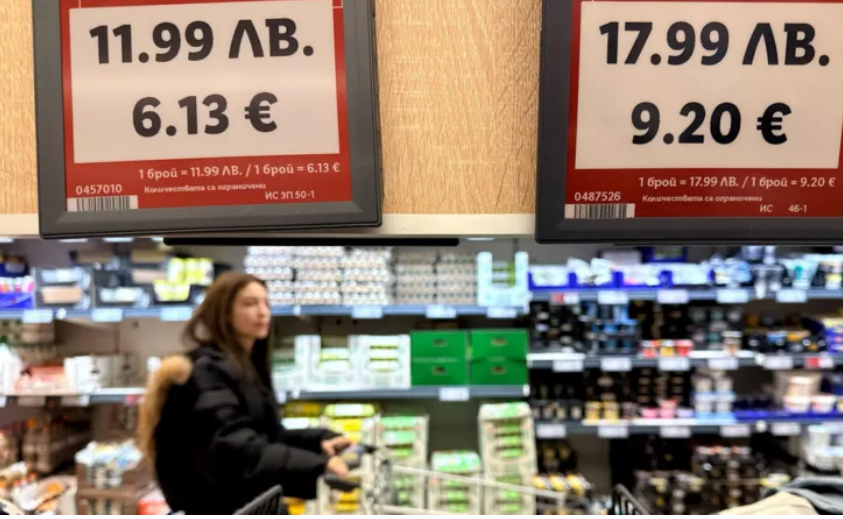
For younger, urban, and entrepreneurial Bulgarians, the euro is seen as an opportunity to boost trade and investment. Many businesses and households have long conducted transactions in euros, and the currency’s adoption is expected to simplify cross-border commerce. Around 1.2 million Bulgarians living abroad already send remittances in euros, and many local shops have been displaying dual prices in lev and euros since August 2025.
For older and more rural populations, the transition has sparked concern and resentment. Opinion polls suggest the country’s 6.5 million residents are roughly evenly split over the change. Todor, 50, a small business owner in Gabrovo, expressed opposition to the move, arguing that the euro has been imposed without public consent. “If there were a referendum, I reckon 70% of the people would vote against it,” he said. President Rumen Radev had proposed a public vote, but the outgoing government rejected the plan.
Economic uncertainty and political turmoil have added to public unease. Prime Minister Rosen Zhelyazkov’s coalition lost a confidence vote on 11 December amid protests over the 2026 budget. Bulgaria has held seven national elections in four years, and an eighth vote appears likely early this year.
Some citizens, however, are optimistic. Ognian Enev, 60, who runs a tea shop in Sofia, said the transition is largely technical. “People who bought flats or cars have already got used to prices marked in euros,” he said, noting that he has prepared euro coins and small denomination notes for daily transactions. Shops will be allowed to accept both lev and euros during January, but from 1 February, payment in lev will no longer be permitted.
The euro’s introduction has been accompanied by measures to address public concerns over pricing. The exchange rate is set at €1 to roughly two lev (1.95583), and authorities have created consumer watchdogs to prevent price inflation. In Sofia, public transport fares are expected to fall slightly. National symbols have been incorporated into the new coins, including St Ivan of Rila on the €1 coin, Paisius of Hilendar on the €2 coin, and the Madara rider on smaller denominations, reflecting Bulgaria’s cultural heritage.
Experts and citizens debate how the euro will affect Bulgaria’s economy. Some point to the Baltic model, where euro adoption accompanied reforms and economic growth, while others fear a repeat of Italy’s experience with stagnation following the introduction of the currency. Ognian Enev expressed caution: “I’m afraid we’ll be more like Italy.”
The euro’s introduction marks a historic moment for Bulgaria, but the country faces challenges in managing public sentiment, political instability, and the economic adjustments that come with full integration into the eurozone.
