


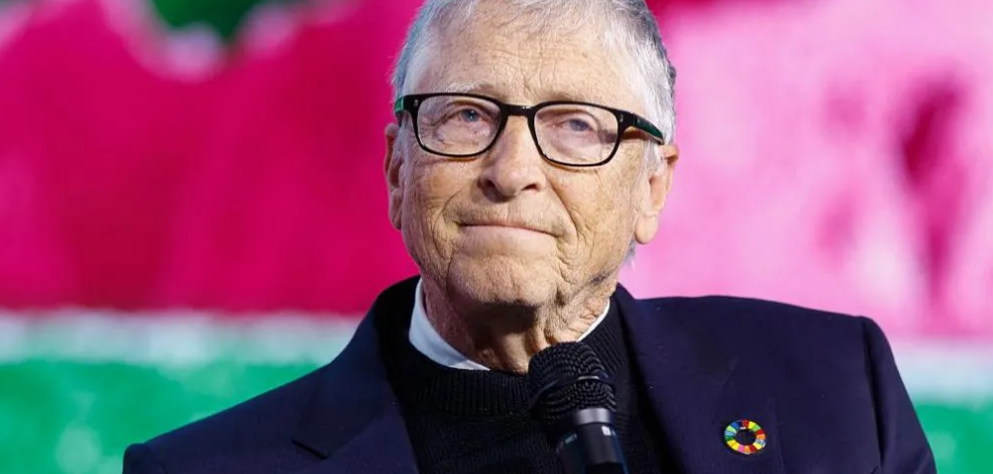
Bill Gates will not deliver his keynote address at the India AI Impact Summit in Delhi, his philanthropic organisation announced just hours before he was scheduled to speak. The Gates Foundation said the decision was made after “careful consideration” to ensure the summit’s focus remained on its key priorities, without providing further details.
Gates’s withdrawal comes amid renewed attention to his past ties with the late financier Jeffrey Epstein, following newly released US Department of Justice files in January. Gates has denied any wrongdoing, calling the claims “absolutely absurd and completely false,” and has expressed regret for ever spending time with Epstein. He has not been accused of any criminal activity, and the foundation stressed that the appearance of his name in the files does not imply misconduct.
Ankur Vora, president of the Gates Foundation’s Africa and India offices, will replace Gates as the summit speaker. The foundation reaffirmed its commitment to advancing health and development goals in India.
Gates had been in India earlier this week, visiting Andhra Pradesh on Monday to discuss initiatives related to health, agriculture, education, and technology. Media reports had raised speculation that he might pull out of the summit, but the foundation initially confirmed he would speak as scheduled.
The five-day summit, promoted by India as a flagship event to position the country as a global AI hub, continues without Gates. It includes policy discussions, start-up showcases, and closed-door meetings on AI governance, infrastructure, and innovation. Delegates from over 100 countries, including several world leaders, are attending. The event has already seen some controversies, including claims by an Indian university about developing a robot dog, which was later revealed to be manufactured in China.
Despite Gates’s absence, other major figures are addressing the summit. OpenAI CEO Sam Altman called for urgent regulation of AI, emphasizing that democratisation of the technology is key to ensuring global benefits. “Centralising AI in one company or country could lead to ruin,” he said, while noting the need for safeguards similar to other powerful technologies.
Indian Prime Minister Narendra Modi and French President Emmanuel Macron echoed the call for shared innovation and AI democratisation. Modi stressed that AI should empower people rather than treat them as raw data, particularly in the Global South. Macron urged a shift from “let’s do more” to “let’s do better together.” UN Secretary-General António Guterres warned that the future of AI should not be determined by a handful of countries or billionaires.
Tech leaders highlighted India’s growing role in AI. Google CEO Sundar Pichai announced plans to establish an AI hub in Vishakhapatnam, aimed at creating jobs and advancing AI capabilities locally. Indian billionaire Mukesh Ambani pledged $110 billion over seven years to develop the country’s AI ecosystem, while Anthropic CEO Dario Amodei expressed interest in collaborating with India on safety and security testing of AI models.
Gates’s withdrawal marks a high-profile absence at a summit that aims to shape global discussions on the future of artificial intelligence, but the event continues to draw international attention and significant investment commitments.
