


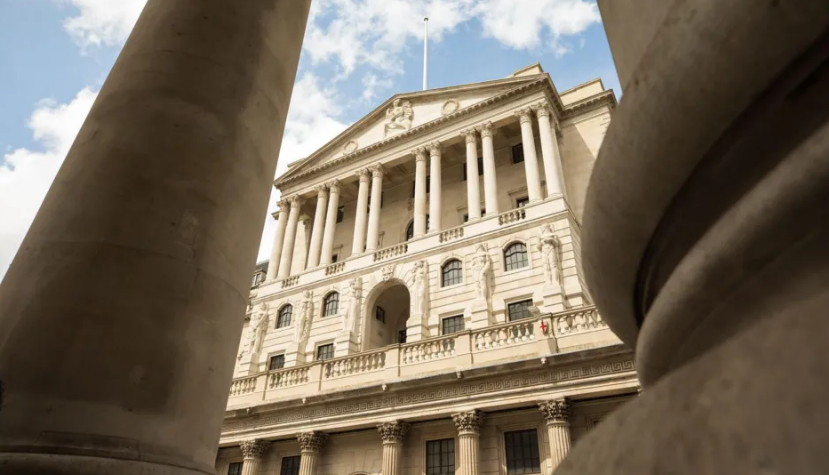
The Bank of England (BoE) has kept interest rates unchanged at 4%, with Governor Andrew Bailey cautioning that “we’re not out of the woods yet” as inflation remains well above the central bank’s 2% target.
The decision, announced on Thursday, was widely expected by analysts, who did not foresee a rate cut given that prices are still rising at nearly double the Bank’s preferred level. While inflation is forecast to return to target, policymakers signalled that borrowing costs are unlikely to be reduced until there is clearer evidence that price pressures are easing.
The BoE has trimmed interest rates five times since August last year as inflation slowed from its peak. However, since April, the pace of price rises has picked up again, driven in part by higher food costs. This has complicated the Bank’s efforts to strike a balance between supporting growth and controlling inflation.
Minutes from the Monetary Policy Committee (MPC) showed a split vote, with two of the nine members calling for a reduction to 3.75%. The remaining majority opted to hold steady, emphasising caution. The MPC will meet twice more before the end of the year, but the Bank indicated that any further cuts will be gradual and carefully managed.
“We’re not out of the woods yet so any future cuts will need to be made gradually and carefully,” Governor Bailey said.
Alongside its rate decision, the Bank also announced it would scale back the pace of reducing its holdings of government bonds. Since the financial crisis and pandemic, the BoE has purchased £875 billion in UK bonds to support the economy. It has been offloading this stockpile at a rate of around £100 billion per year. From October, that pace will slow to £70 billion annually.
Bailey said the adjustment would allow the Bank to continue unwinding its balance sheet “while minimising the impact on gilt market conditions.”
The move comes only weeks after volatility in financial markets and as Chancellor Rachel Reeves prepares her November Budget. Rising borrowing costs add pressure to the government’s finances, as a higher bill for servicing debt threatens to limit fiscal headroom for tax and spending pledges.
While the BoE expects inflation to gradually fall back, uncertainty remains around global energy and food prices, as well as domestic wage growth. Until those pressures ease, analysts say rate cuts are likely to remain on hold.
