


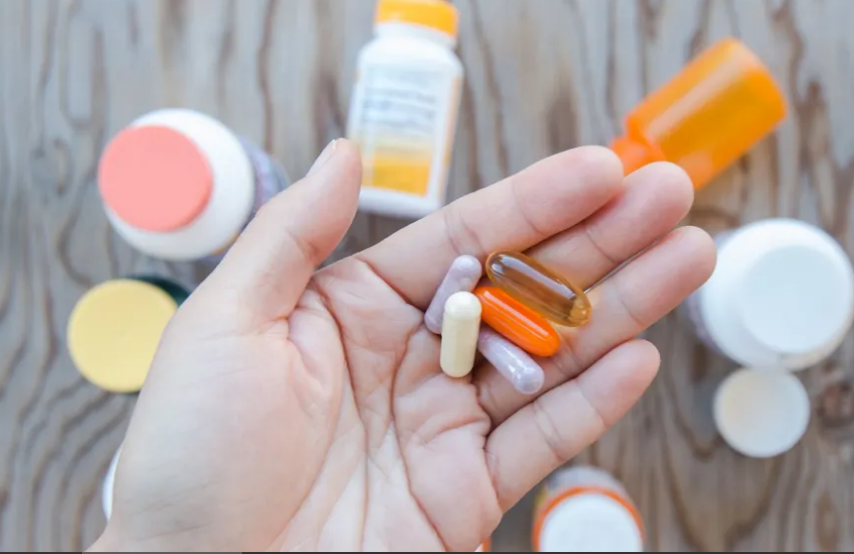
A growing obsession with vitamins, powders and “health stacks” is prompting concern among doctors and nutrition experts, as more people turn to dietary supplements in pursuit of better wellbeing—sometimes with unintended consequences.
A recent survey by consumer group Which? found that 76% of respondents regularly take at least one supplement, including vitamins, minerals, omega-3s, probiotics and herbal products. Nearly one in five reported taking four or more every day, reflecting what experts describe as an accelerating culture of self-optimisation driven in part by social media trends.
Many users say they began supplementing to improve energy, immunity or appearance, but specialists warn that the expanding mix of products is leading to a rise in health complications.
Doctors have reported increasing cases of liver, kidney and gastrointestinal issues linked to excessive or unregulated supplement use. Some clinicians say patients often fail to mention supplements when asked about medications, complicating diagnosis.
“We ask if they are on medication. They say no,” said gastroenterologist Dr Pedro de Maria Pallares. “Then later we discover they are taking multiple supplements.”
He added that herbal and dietary products are increasingly associated with liver injury cases, particularly when used in combination or at high doses.
Research from the United States suggests that around 20% of liver damage cases may be linked to herbal or dietary supplements. Substances such as high-dose vitamin A, green tea extract, ashwagandha and glutamine have been flagged as potentially harmful when misused. While the liver can recover in some cases, prolonged exposure can lead to lasting damage.
One influencer, Ginger Smith from Seattle, said she began taking a wide range of supplements after receiving free products and following online health trends. Her routine included vitamin C, vitamin D, turmeric, electrolyte drinks and de-bloating supplements.
After months of use, she developed severe kidney pain and was later diagnosed with a large kidney stone requiring surgery. Doctors attributed the condition to her supplement intake.
“I never would have thought that by trying to improve my health, I would end up in such a bad way,” she said.
Health professionals also warn of risks from combining multiple supplements. Experts note that overlapping ingredients can lead to excessive intake, while some combinations reduce absorption or interfere with prescribed medications.
Professor Victoria Tzortziou Brown of the Royal College of GPs said patients often underestimate these risks. “More is not always better,” she said, adding that interactions between supplements and medicines are becoming a growing concern in primary care.
Nutritionists argue that many people could meet their needs through diet alone, with supplements mainly useful in specific cases such as vitamin D in winter or short-term iron deficiency treatment.
Experts also stress the importance of reading dosage guidelines and seeking medical advice before starting multiple products.
Despite the risks, some clinicians acknowledge that supplements can play a role when used carefully. However, they caution that online marketing and influencer culture are encouraging unnecessary consumption.
As Ginger Smith recovered from surgery, she simplified her routine.
“Now I just take one multivitamin a day,” she said. “And hopefully that’s good enough.”
