


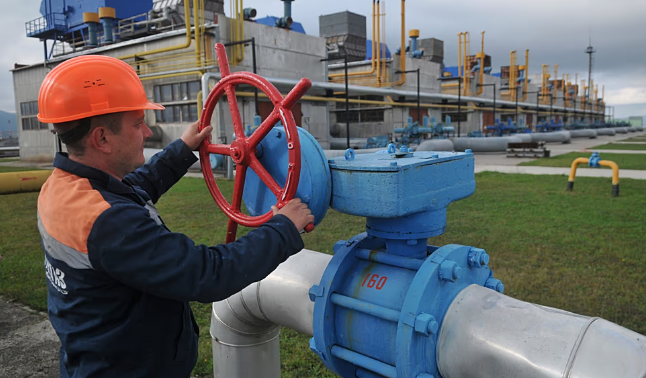
European gas prices have surged this year as extreme summer weather, supply disruptions and low storage levels increase concerns about energy costs during the coming winter.
Dutch TTF gas futures, Europe’s main wholesale benchmark, have risen about 120 percent since the start of 2026, reaching around €63.70 per megawatt-hour on August 18.
Prices remain far below the record of about €350 per MWh reached during the 2022 energy crisis following Russia’s invasion of Ukraine. However, Europe is entering the winter preparation period with less gas in storage than usual, leaving the market more exposed to further supply problems.
The latest increase has come during a period when Europe would normally be building up gas reserves. Record summer temperatures have increased electricity demand while drought has reduced hydroelectric generation and affected nuclear power production in some countries.
Gas-fired power stations have been used to cover part of the resulting electricity shortfall, increasing demand for gas at a time when the fuel is also needed for winter storage.
Several supply disruptions have added to the pressure. Shipping through the Strait of Hormuz has been severely affected, Norway has extended maintenance outages at some gas facilities and European energy markets remain sensitive to developments in global LNG supplies.
Daniel Kral, an economist at Oxford Economics, said several supply-side risks had emerged while storage levels remained historically low ahead of the heating season.
Oxford Economics expects to raise its European gas price forecast in September and could project an average price close to €60 per MWh for the fourth quarter of 2026 and first quarter of 2027, compared with its current forecast of €45.
Europe is better prepared than it was during the 2021-22 energy crisis. Gas consumption has fallen by an estimated 15 to 20 percent from 2021 levels, while renewable generation has expanded and heat pumps have replaced some gas heating.
The continent has also increased LNG import capacity, allowing it to attract additional cargoes when prices rise.
Yet weather remains a major risk. Oxford Economics estimates that gas demand remains closely linked to temperatures, meaning a colder-than-normal winter could quickly increase consumption.
European gas storage was about 57.1 percent full on August 1, the lowest level recorded for that date in the available historical series. EU rules continue to target 90 percent storage, although countries now have greater flexibility on the timing and may reduce the target to 80 percent under difficult market conditions.
Higher gas prices could also become an inflation problem. Wholesale costs gradually feed into household energy bills as existing contracts expire, with the impact often appearing several months after wholesale prices change.
Italy is considered especially exposed because gas prices are transmitted relatively quickly to consumers and the country relies heavily on gas.
Oxford Economics estimates eurozone inflation could approach 3.5 percent in the second half of 2026 under current gas prices, compared with slightly above 3 percent in its baseline forecast.
A colder winter could therefore put households under greater financial pressure while increasing the challenge for the European Central Bank as it considers monetary policy.
