


Tensions between the United States and Iran intensified on Monday after Washington confirmed it will maintain its blockade of Iranian ports until a peace agreement is reached, while Tehran withdrew from planned negotiations in Islamabad.
US President Donald Trump said the naval blockade would remain in place, arguing that it is placing severe economic pressure on Iran. In a social media post, he claimed the restrictions were costing Tehran around $500 million a day, describing the situation as “unsustainable even in the short run.”
The escalation follows Iran’s decision not to send a delegation to the second round of high-level peace talks scheduled in Islamabad. The talks were intended to build on earlier diplomatic efforts aimed at ending a war that has disrupted global energy markets and raised tensions across the Middle East.
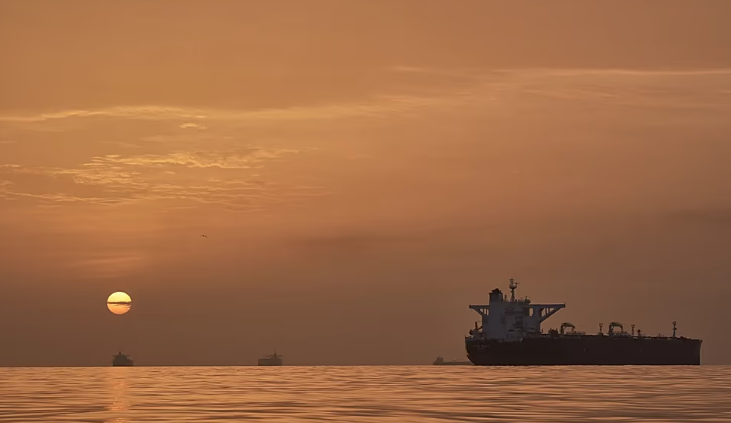
Iran’s withdrawal came after the US Navy intercepted and seized an Iranian-flagged cargo vessel near the Strait of Hormuz, a vital route for global oil shipments. Washington said the ship attempted to evade a blockade imposed on Iranian ports, while Tehran described the operation as a violation of the ceasefire and an “act of piracy.”
According to US officials, the vessel was warned repeatedly before being stopped by a guided missile destroyer operating in the Gulf of Oman. US Central Command said warnings were issued over several hours before action was taken. It remains unclear whether there were any casualties.
The incident marks the first known interception since the US began enforcing a maritime blockade last week, in response to Iran’s closure of the Strait of Hormuz at the start of the conflict in February. The waterway is one of the world’s most important energy transit routes.
Iranian authorities have warned they will respond to what they see as an escalation, raising concerns that a fragile ceasefire may collapse entirely. Tehran’s military leadership has vowed retaliation following the seizure, further straining already limited diplomatic channels.
The renewed confrontation has also unsettled global energy markets. Brent crude briefly climbed to around $95 per barrel at the start of trading, adding pressure to an already volatile oil market shaped by weeks of disrupted supply routes and geopolitical uncertainty.
Iranian President Masoud Pezeshkian, speaking in a call with Pakistan’s leadership, accused Washington of undermining diplomacy through coercive tactics, according to state media reports. He warned that such actions increase mistrust and make negotiations more difficult.
With peace talks suspended and military activity escalating around key shipping lanes, the outlook remains uncertain. Both sides continue to trade accusations while the ceasefire edges closer to expiration, raising fears of further escalation in the coming days.
