


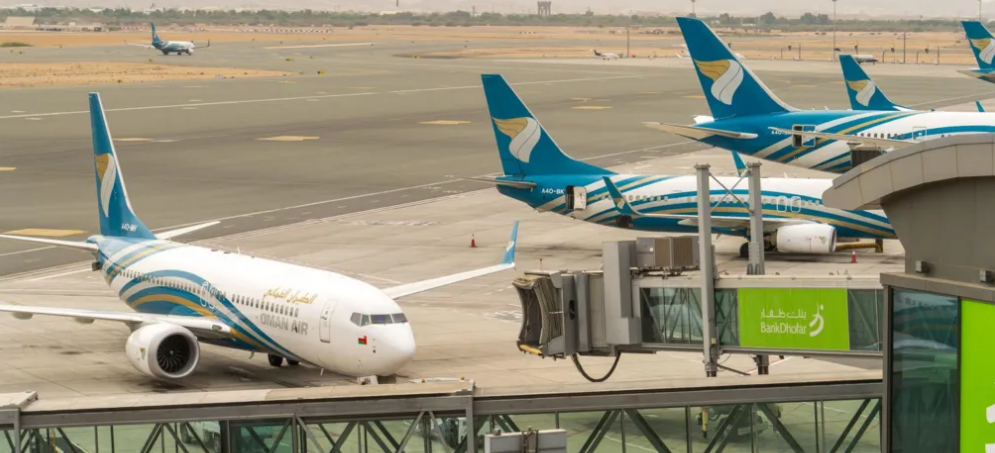
British authorities are arranging repatriation flights for citizens stranded in the Middle East as Iranian missile and drone attacks continue to disrupt air travel across the region. A charter flight from Oman is scheduled to depart on Wednesday at 23:00 local time (19:00 GMT) for Britons seeking to return home.
Prime Minister Sir Keir Starmer told the House of Commons that further charter flights will be organised in the coming days. Eight commercial flights were also set to leave the United Arab Emirates on Wednesday, offering additional options for travellers.
Since the outbreak of hostilities between the US, Israel, and Iran on Saturday, more than 130,000 British nationals have registered for government assistance to leave the Gulf. Travel disruption in the region is the largest since the Covid-19 pandemic, with thousands of flights grounded as airspace remains restricted over Saudi Arabia, Iran, Iraq, Qatar, Bahrain, Kuwait, Syria, the UAE, and Israel.
The UK Foreign Office said the Oman flight would carry British nationals, their spouses or partners, and children under 18. Nationals already in Oman were advised to register for the flight, but officials warned that demand would likely exceed the aircraft’s capacity. The Foreign Office is coordinating with airlines to find additional routes and has advised against all but essential travel to the UAE, Bahrain, Kuwait, and Qatar.
Several stranded travellers expressed frustration over limited information. Philip Johnston from Essex, stranded in Dubai since Saturday while returning from Mumbai, said he had been told he was ineligible for the first repatriation flight because he was not in Oman. “I’m sitting in a nice hotel, so I can’t complain, but I am just getting frustrated now,” he said.
Muscat, Oman’s capital, is approximately 280 miles from Dubai, where many British tourists and expatriates are currently located. A limited number of flights to the UK remain operational from Dubai, despite ongoing security concerns after Iranian drone strikes targeted hotels in busy areas of the city.
The UK government is also responding to the wider Middle East crisis by deploying military resources. The Royal Navy destroyer HMS Dragon will bolster defences around the British military base at Akrotiri in Cyprus after an Iranian drone strike, although the exact departure from Portsmouth was not confirmed.
Commercial air services in the region remain heavily disrupted. Emirates suspended all flights to and from Dubai on Wednesday but is operating a limited number of repatriation and freighter flights. Etihad Airways halted services to and from Abu Dhabi until 14:00 local time on Thursday. Qatar Airways flights remain suspended until the Qatar Civil Aviation Authority announces the reopening of airspace. British Airways will operate a single flight from Muscat to London on Thursday.
Airports in Cyprus are also affected after a drone attack on RAF Akrotiri, with dozens of flights cancelled through Friday. EasyJet, TUI, Lufthansa, Cyprus Airways, and Wizz Air are among the airlines impacted by the ongoing airspace closures.
The scale of disruption highlights the continued risk to civilians and travellers in the Gulf as tensions escalate in the Middle East.
