


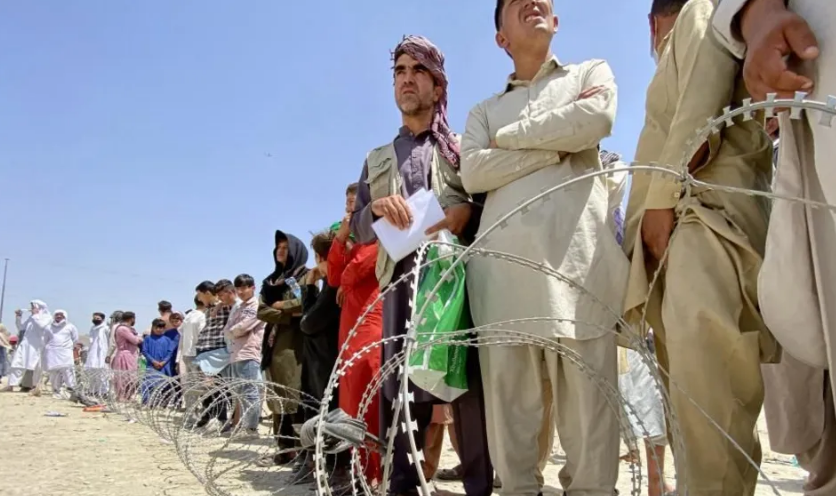
Thousands of Afghans whose personal information was exposed in a 2022 data breach by the UK Ministry of Defence (MoD) are unlikely to receive compensation, despite fears of Taliban retribution, government sources confirmed this week.
More than 19,000 individuals applying for relocation to the UK under Afghan assistance schemes had their names and contact details leaked when an official mistakenly sent a spreadsheet outside the authorised relocation team. The breach only came to light in August 2023 when details of nine individuals surfaced on Facebook.
While over 16,000 people were identified as being at risk due to the breach, the MoD has indicated it will neither proactively offer compensation nor settle any claims out of court. A spokesperson told the BBC that the government would “robustly defend against any legal action or compensation,” describing any such claims as “hypothetical.”
The Ministry’s stance follows the conclusion of an independent investigation—dubbed the Rimmer review—commissioned by Defence Secretary John Healey. The review found it was “highly unlikely” that simply appearing on the leaked spreadsheet would lead to an individual being targeted by the Taliban. It also concluded that there was limited evidence of a systematic campaign of retribution by the militant group.
Healey this week lifted a legal super-injunction that had previously prohibited any mention of the data breach or the court order itself.
However, legal challenges are brewing. Law firm Barings Law is preparing what could be the largest claim related to the incident, representing more than 1,000 Afghan clients, though it remains unclear how many of them are still in Afghanistan.
One affected individual, referred to as Ahmed for security reasons, told BBC Radio 4 that his family members—whose names appeared in the leak—are now forced to live in hiding in Afghanistan. “They are moving home to home and keeping low profiles,” he said, calling the situation “distressing and worrying.”
He also criticised the government’s response, stating that what families need most is swift relocation, not compensation. “They should take action and bring our families to Britain or a third country where they feel safe,” he urged.
The leak not only compromised Afghan allies but also included sensitive details of over 100 British personnel, including special forces and intelligence officers.
Since the fall of Kabul in 2021, more than 36,000 Afghans have been resettled in the UK under relocation schemes, with the government spending over £400 million to date. However, total costs are projected to rise to between £5.5 and £6 billion as more applicants await processing.
Despite mounting pressure from human rights groups and legal advocates, the government’s current position signals no immediate relief for those left vulnerable by the breach.
