


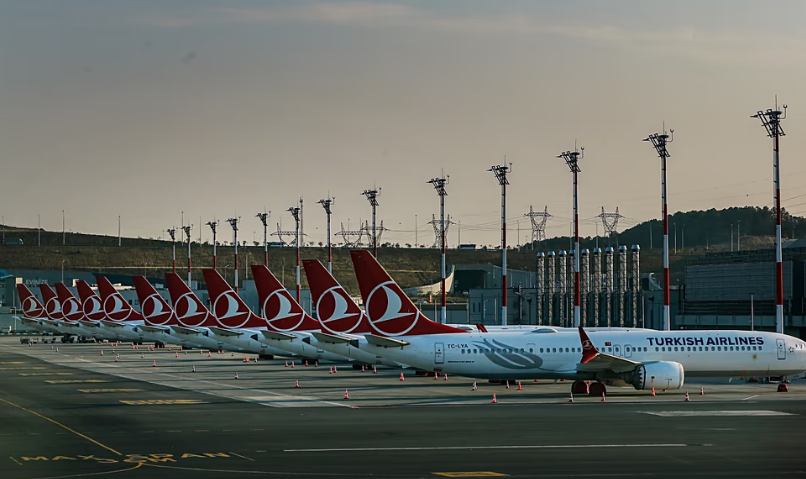
Turkish Airlines has announced plans to launch flights to Armenia’s capital Yerevan, signalling a fresh step in the ongoing thaw between Ankara and Yerevan after decades of strained relations. The proposal comes amid a series of diplomatic moves aimed at normalising ties between the two neighbours, who remain without formal diplomatic relations.
In a regulatory filing on Tuesday, Turkey’s flag carrier said it intends to operate the new route provided there is sufficient passenger demand. The announcement follows a meeting earlier this month in Armenia between the special envoys of both governments, where they discussed expanding connectivity and people-to-people exchanges.
Turkey’s special envoy, Serdar Kılıç, travelled to Armenia via a land border that has been closed to civilian traffic for more than 30 years. Following the meeting, Armenia’s Foreign Ministry said the two sides had agreed to carry out preparatory work that would allow additional airlines to launch services between the countries beginning in the summer of 2026.
The push to reopen air links comes against the backdrop of a broader reconciliation effort. Armenian Prime Minister Nikol Pashinyan travelled to Ankara in June, where he held talks with Turkish President Recep Tayyip Erdoğan — a rare high-level meeting between leaders of the two countries. Both sides have indicated a willingness to pursue dialogue despite deep historical grievances.
The long-standing dispute centres on the mass killings of Armenians by Ottoman forces in 1915. Yerevan recognises the events as genocide, a term rejected by Ankara, which acknowledges that Armenians died but insists the deaths occurred amid civil unrest during World War I. The lack of consensus has long stymied efforts to build trust and establish formal diplomatic ties.
Air connectivity, however, has gradually been restored in recent years. Turkish budget airline Pegasus and Armenia’s FlyOne launched direct flights between the two countries in 2022, marking the first commercial services in decades. Turkish Airlines’ entry into the market would significantly expand options for travellers, given its role as one of the world’s largest carriers with an extensive international network.
Analysts say the move could boost trade, tourism and cultural exchanges, while also serving as a symbolic gesture of goodwill. However, they caution that long-term progress will depend on political will on both sides and the ability to navigate sensitive historical and regional issues.
For now, Turkish Airlines’ plans remain contingent on demand and regulatory approval. But the proposal underscores the gradual momentum building behind the normalisation process, which, if successful, could reshape ties between the two neighbours after years of division.
