


As the debate around psychedelic-assisted therapies grows, Scotland is witnessing rising interest in the use of ketamine to treat severe depression — despite its reputation as a party drug with dangerous side effects.
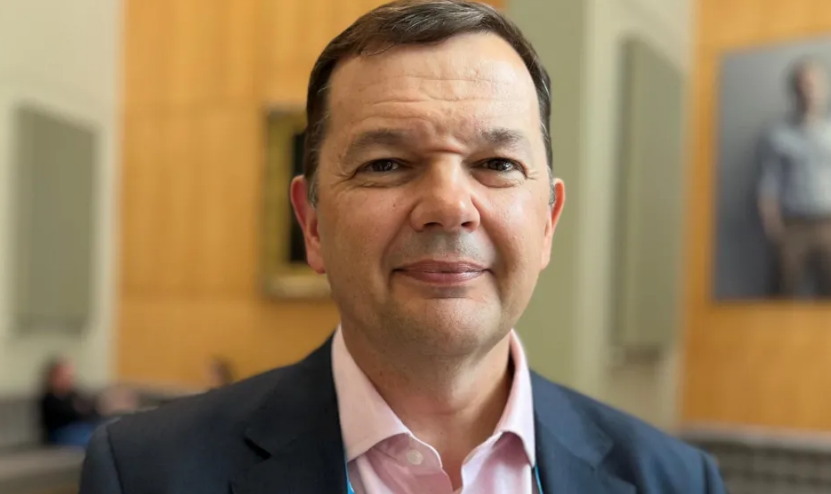
A leading NHS psychiatrist in Edinburgh hopes to launch a public ketamine clinic by the end of the year, offering the drug as a potential alternative to electroconvulsive therapy (ECT) for patients with treatment-resistant depression. Professor Andrew McIntosh, a psychiatrist with NHS Lothian and the University of Edinburgh, said the treatment could provide hope for patients who have exhausted conventional options.
“There’s a small number of people who don’t respond to multiple antidepressants and other therapies,” said Prof McIntosh. “Ketamine gives them additional hope, and it’s been shown to be effective in several studies.”
The proposed NHS service would follow the model of the Eulas clinic in Hamilton, Lanarkshire — a private facility licensed by Healthcare Improvement Scotland, which began offering ketamine-assisted therapy in 2023. The clinic charges £6,000 for a course of four intravenous ketamine infusions paired with psychotherapy.
While ketamine remains a controlled substance in the UK, it is legally used as an anaesthetic and can be prescribed “off-label” for depression under medical supervision. Unlike street versions of the drug, which can be contaminated and used in high doses, the clinical use of ketamine is controlled and monitored for safety.
Patients at the Eulas clinic report significant improvement. One patient, Alex, who previously underwent similar treatment in the US, said ketamine therapy transformed her life. “Before, I was really depressed,” she said. “Now I feel like I’m getting back to the person I used to be.”
The therapy has drawn cautious support from NHS Lothian. Executive Medical Director Dr. Tracey Gillies said intravenous ketamine could be a cost-effective alternative to ECT, but stressed that any new service would require careful planning to ensure patient safety and affordability.
Despite growing interest, ketamine’s reputation remains a concern. Misuse has been linked to serious health problems and several high-profile deaths, including RuPaul’s Drag Race UK star The Vivienne and actor Matthew Perry. However, proponents argue that medically supervised ketamine therapy is vastly different from recreational use, both in dosage and quality.
Academic researchers also see promise. Dr. Anna Ross of the Scottish Psychedelic Research Group supports further study, though she suggests psilocybin — the active compound in “magic mushrooms” — may ultimately prove more effective.
The Royal College of Psychiatrists has urged caution but is expected to release new guidance later this year as clinical interest in psychedelic therapies continues to rise.
A Scottish Government spokesperson said treatment decisions remain in the hands of prescribing clinicians, based on individual patient needs.
