


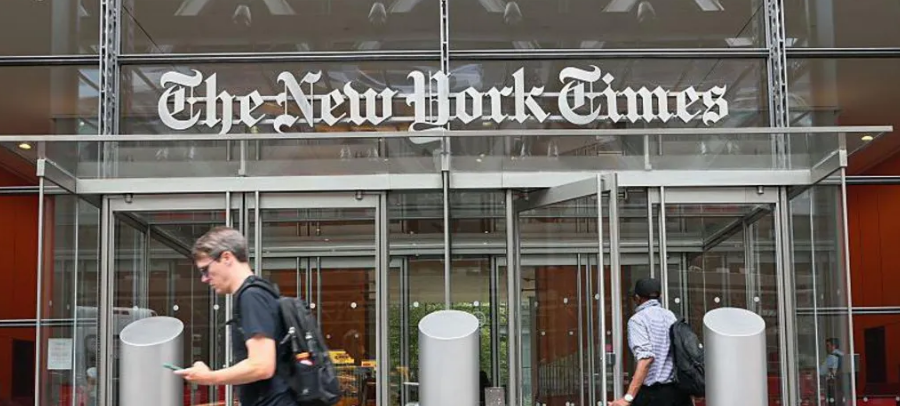
A US federal judge has dismissed former President Donald Trump’s $15 billion defamation lawsuit against The New York Times, ruling that the complaint failed to meet basic legal standards.
US District Judge Steven Merryday, in an order issued Friday, said the filing violated federal rules requiring plaintiffs to clearly and concisely state the grounds for their case. Instead, he described Trump’s 85-page complaint as “repetitive,” “superfluous,” and full of “florid” allegations. “A legal complaint is not a protected platform to rage against an adversary,” the judge wrote. He gave Trump 28 days to submit an amended version that complies with court rules.
The lawsuit, filed earlier this week in Tampa, also names Penguin Random House, publisher of a book written by New York Times reporters, and accuses the newspaper of acting as a “mouthpiece” for Democrats. Trump had previewed his intention to sue in a post on Truth Social, accusing the Times of being “allowed to freely lie, smear and defame me for far too long.”
A spokesperson for the former president said he intends to pursue the case, promising to hold the “Fake News accountable” and pledging to refile in line with the judge’s directions.
The New York Times welcomed the swift dismissal, saying the ruling recognized the filing as a “political document rather than a serious legal complaint.” The paper reiterated its position that the lawsuit “lacks any legitimate legal claims and instead is an attempt to stifle and discourage independent reporting.”
Judge Merryday underscored in his decision that even if Trump’s allegations were taken as true and interpreted generously, the lawsuit as written remained “improper and impermissible.”
The case adds to Trump’s ongoing clashes with the media. He has frequently attacked major news outlets, accusing them of bias and misconduct. On Thursday, he went further, suggesting that some television networks should have their broadcast licenses revoked. The comment followed ABC’s decision to suspend late-night host Jimmy Kimmel, a move that came just hours after threats from the Trump administration.
Kimmel was suspended after making remarks about the suspect in the Charlie Kirk murder case, accusing Trump supporters of trying to “characterise this kid as anything other than one of them.” His removal sparked backlash across the entertainment industry, with fellow late-night host Stephen Colbert calling the suspension “blatant censorship.”
The dispute over Trump’s lawsuit highlights the broader tension between the former president and US media organizations, many of which he has accused of spreading “fake news.” For its part, The New York Times has stood by its reporting and vowed to continue its coverage despite legal challenges.
Neither Trump nor his legal team have yet publicly commented on Judge Merryday’s ruling.
