


The ongoing conflict involving Iran, the United States, and Israel is exposing vulnerabilities in global trade, raising concerns among economists that disruptions to energy, fertilisers, and industrial gases could have long-lasting economic effects.
Experts warn that markets may be underestimating the risks if the war extends beyond current expectations. “In my view, markets are underestimating the risk of a prolonged war,” said Frederic Schneider. He cautioned that sustained increases in energy prices could trigger an economic slump, potentially prompting central banks to hike interest rates to curb inflation. Such a scenario could strain financial markets and increase the risk of a debt crisis reminiscent of 2008.
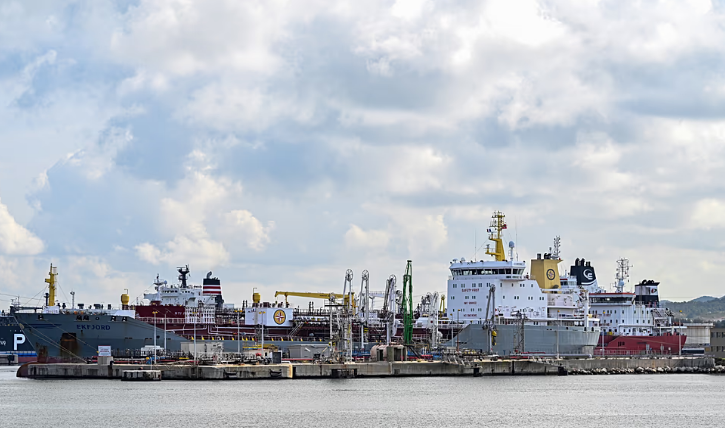
Much of the immediate economic threat stems from the Strait of Hormuz, through which roughly 20 percent of the world’s oil supply and a substantial share of liquefied natural gas transit. “The Strait is the most important global chokepoint for hydrocarbons and fertilisers and a key transshipment hub between Asia and Europe,” Schneider said. Any disruption, even minor, can quickly ripple through energy markets worldwide.
Natural gas supplies are particularly critical for East Asia and parts of Europe still adjusting to reduced Russian imports following the war in Ukraine. Higher fuel costs could affect industries reliant on transportation and energy, spreading economic strain beyond the Middle East.
The conflict is also highlighting hidden supply chain risks. Helium, a by-product of natural gas largely sourced from , is essential for semiconductor production and medical imaging equipment. Similarly, sulphur, another hydrocarbon by-product used in industrial processes like copper refining, could face shortages if energy supply chains remain disrupted.
Agriculture may also be affected. Reduced fertiliser production or shipment delays could coincide with the global spring planting season, potentially leading to smaller harvests and higher food prices. Schneider noted that even a short-lived conflict could leave lingering economic effects, as repairing infrastructure and restoring energy production could take months.
The conflict could also reshape business strategies in the region. Shipping companies may reassess Persian Gulf operations, and foreign investment, tourism, and skilled labor mobility could become more cautious.
Rising energy prices are likely to complicate monetary policy. Central banks, which have spent the last two years controlling inflation, may face pressure to delay interest rate cuts or even tighten policy. Schneider warned that a prolonged war combined with sustained energy price increases could push the global economy toward stagflation, with high inflation and weak growth, affecting Europe, East Asia, the Gulf, and even the United States despite its growing energy independence.
Economists say the situation underscores the fragility of global supply chains and the potential for geopolitical conflicts to have far-reaching economic consequences well beyond the battlefield.
