


The Federal Aviation Administration (FAA) announced on Wednesday that it will reduce air traffic by 10% across 40 major US airports starting Friday morning, as air traffic controllers show signs of fatigue and strain during the ongoing government shutdown.
The unprecedented measure will affect thousands of flights nationwide, according to the FAA, which manages more than 44,000 flights daily across commercial passenger, cargo, and private aircraft. While the agency did not specify which airports will be impacted, it said the restrictions will remain in place until conditions improve.
Air traffic controllers have been working without pay since the shutdown began on October 1, many logging six-day weeks and mandatory overtime to keep the system running. FAA Administrator Bryan Bedford called the situation “extraordinary,” saying it was the first time in his 35-year career he had seen the agency take such steps.
“We’re not going to wait for a safety problem to truly manifest itself when the early indicators are telling us we can take action today to prevent things from deteriorating,” Bedford said during a press briefing. “The system is extremely safe today and will be extremely safe tomorrow, but if the pressures continue to build, we’ll take additional measures.”
Transportation Secretary Sean Duffy joined Bedford in expressing concern about increasing fatigue reports from pilots and voluntary safety warnings about overworked controllers. The decision to scale back operations, they said, is a precautionary measure to maintain safety amid the ongoing staffing pressures.
According to aviation analytics firm Cirium, the reduction could represent as many as 1,800 canceled flights and about 268,000 fewer available seats across the affected airports. Chicago’s O’Hare International Airport could lose around 121 of its 1,212 scheduled flights on Friday if reductions are spread evenly among all impacted locations.
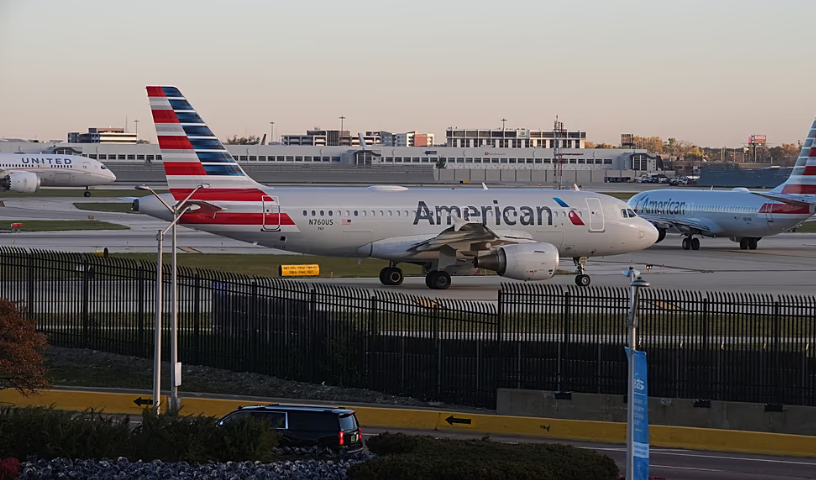
Major carriers including United Airlines, American Airlines, and Southwest Airlines said they were working to minimise disruption for passengers by adjusting schedules and offering flexible rebooking options. Customer service lines for major airlines reportedly remained manageable on Wednesday afternoon, suggesting that travellers were not yet panicking about cancellations.
FAA data shows that staffing shortages have worsened as the shutdown drags on, with at least 39 air traffic control facilities expected to face restricted staffing between Friday and Sunday. That figure, according to an Associated Press analysis, is significantly higher than typical pre-shutdown weekends.
The shutdown, which became the longest in US history earlier this week, has drawn mounting criticism from airline unions and industry leaders, who warn that prolonged unpaid work among essential aviation personnel could undermine one of the world’s safest air traffic systems.
Industry groups have urged Congress to end the standoff immediately, warning that continued disruption could ripple through the broader travel economy as the busy holiday season approaches.
