


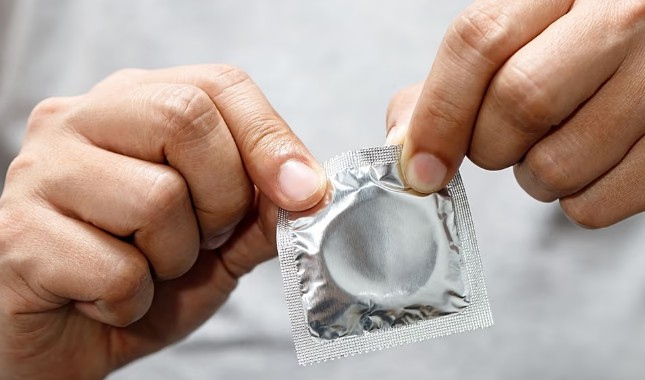
European authorities have uncovered a trafficking network responsible for distributing counterfeit condoms across parts of Europe, prompting warnings that thousands of consumers may have been exposed to serious health risks.
The European Anti-Fraud Office (OLAF) announced that more than 200,000 counterfeit condoms originating from China were intercepted after investigators uncovered a scheme in which the products were falsely declared as toys to avoid European Union safety controls.
Officials said the deception enabled the shipments to bypass the strict quality standards required for medical devices within the EU.
In Europe, condoms are regulated as medical devices and must comply with rigorous health and safety requirements before they can be sold. These include testing for microbial contamination, material safety, leak resistance, durability, proper dimensions, shelf life and overall product stability.
According to OLAF, the counterfeit products failed to meet these standards, raising concerns about their effectiveness in preventing sexually transmitted infections and unintended pregnancies. Authorities also warned that the products could contain unsafe chemicals or materials that pose additional health risks.
“Counterfeit condoms are dangerous,” OLAF Director-General Petr Klement said in a statement. “They are untested, uncontrolled and unsafe.”
Investigators seized counterfeit products with an estimated value exceeding €200,000 during coordinated operations in Romania, Serbia and Spain.
The fake condoms were marketed using the name and logo of a well-known international brand, although officials declined to identify the company involved. Authorities also did not disclose where the products had been sold or estimate how many of the seized condoms had already reached consumers before the operation.
An OLAF spokesperson said it is difficult to determine the full scale of the distribution because of the nature of illicit trafficking networks.
“It is difficult to give accurate data given the nature of illicit networks,” the spokesperson said, adding that counterfeit goods are often hard to trace once they enter the market. As a result, authorities are also unable to identify or notify individual consumers who may have unknowingly purchased the products.
The investigation involved cooperation between European and Chinese authorities. OLAF said it successfully identified the exporter responsible for the shipments from China but declined to reveal the company’s identity while investigations continue.
The case highlights growing concerns over counterfeit medical products entering international markets through fraudulent customs declarations. By falsely labeling the shipments as toys, traffickers were able to avoid regulatory inspections designed to ensure medical products comply with European safety requirements.
European officials urged consumers to purchase condoms only from trusted retailers and authorized distributors to reduce the risk of buying counterfeit products. They also emphasized the importance of continued international cooperation in tackling cross-border fraud and preventing unsafe medical goods from reaching the market.
The latest operation underscores the challenges faced by regulators in combating counterfeit products and protecting public health as criminal networks continue to exploit international trade routes and customs systems.
