


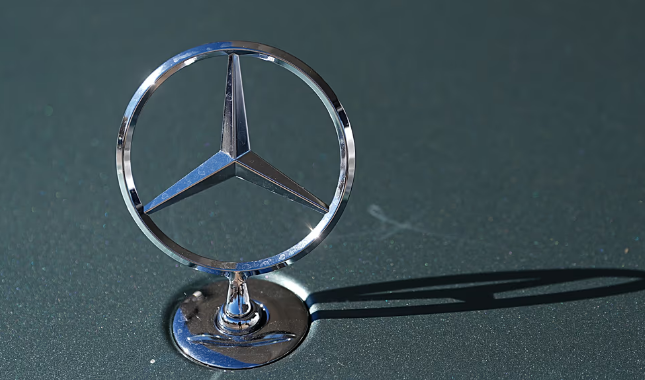
Germany’s struggling automotive industry is increasingly drawing attention from the country’s fast-growing defence sector, as manufacturers and defence firms explore new partnerships, factory conversions and recruitment opportunities amid economic pressures facing Europe’s carmakers.
The latest indication came from Mercedes-Benz Chief Executive Ola Källenius, who said the luxury automaker would be open to supporting Europe’s expanding defence efforts if needed.
Speaking in an interview with The Wall Street Journal, Källenius said Europe’s changing security environment was forcing companies to rethink their role in industrial production.
“The world has become more unpredictable, and I think it is quite clear that Europe needs to strengthen its defence capabilities,” he said, adding that Mercedes-Benz would be prepared to contribute if it could play a positive role.
Källenius stressed, however, that any future defence-related activities would remain limited compared with the company’s main automotive business. He did not outline any specific projects or investment plans.
Mercedes-Benz is not alone in examining possible links to the defence industry. Volkswagen is also studying whether military transport vehicles could eventually be produced at its plant in Osnabrück, according to Chief Executive Oliver Blume.
Blume said the company would make a decision later this year but emphasized that Volkswagen had no plans to manufacture weapons or tanks.
At the same time, Germany’s major defence companies are increasingly targeting the country’s automotive sector as a source of industrial capacity and skilled labour.
Rheinmetall said it is assessing whether some automotive supplier facilities in Berlin and Neuss could be converted into defence production sites. The company is also reportedly examining the possibility of taking over entire factories from car manufacturers facing financial pressure, including Volkswagen’s Osnabrück plant.
Rheinmetall Chief Executive Armin Papperger has cautioned that adapting car factories for defence manufacturing would be costly and technically challenging, though he said such options should still be considered before building new facilities from scratch.
Other defence firms are already benefiting from the downturn in the automotive industry. Hensoldt has stepped up recruitment efforts aimed at workers from automotive suppliers including Continental AG and Bosch.
Germany’s auto sector has faced mounting difficulties in recent years due to high production costs, weak European demand, growing competition from Chinese manufacturers and continuing trade tensions with the United States.
Mercedes-Benz reported that profits fell about 49 percent in 2025, dropping from €10.4 billion to €5.3 billion, while revenue declined roughly nine percent.
Most major German carmakers, with the exception of BMW, have announced domestic job cuts in recent months.
Meanwhile, the defence sector continues to expand rapidly. According to the Stockholm International Peace Research Institute, the world’s 100 largest arms manufacturers recorded record revenues in 2024.
Despite the growth, analysts note that Germany’s defence industry remains far smaller than its automotive sector. Germany’s car industry generated more than €540 billion in revenue in 2024, compared with less than €30 billion combined revenue for the country’s five largest defence companies in 2023.
