


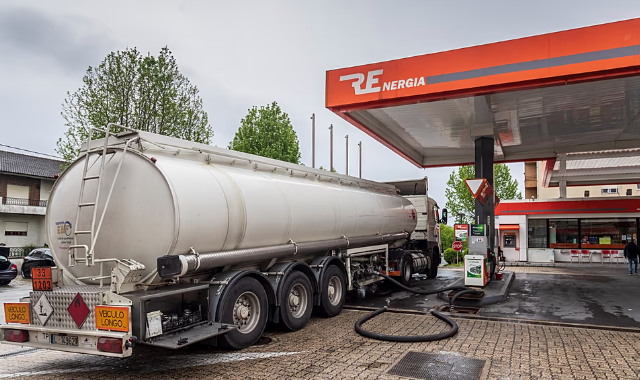
Motorists in Portugal are expected to face a significant increase in fuel prices during the week of July 20-26, with both diesel and petrol set to become considerably more expensive as geopolitical tensions continue to drive global oil markets.
According to forecasts from the Automobile Club of Portugal (ACP) and the Directorate-General for Energy and Geology (DGEG), diesel prices are expected to rise by 13.5 euro cents per litre, while petrol is forecast to increase by 6.5 euro cents per litre.
If the projections are confirmed, the average price of diesel will reach €1.988 per litre, while petrol will climb to €1.980 per litre.
The ACP said the estimates are based on international raw material prices recorded at the close of markets last Thursday. It noted that fluctuations in crude oil and refined fuel prices before the end of the trading week could still affect the final figures.
The expected increase comes as conflict in the Middle East continues to disrupt global energy markets. The ongoing hostilities involving the United States, Israel and Iran have driven crude oil prices higher, raising concerns over fuel costs across Europe.
The situation has been complicated by renewed instability around the Strait of Hormuz, one of the world’s most important energy shipping routes. Around one-fifth of global oil and natural gas trade passes through the narrow waterway. Supply concerns intensified after military action involving the United States and Israel against Iran earlier this year, followed by renewed fighting that ended a temporary agreement aimed at reducing tensions.
Higher oil prices have not only affected fuel costs but have also pushed up prices for other commodities, including fertilizers and transport-related goods.
The Portuguese government has previously pledged to introduce a temporary reduction in the Tax on Petroleum and Energy Products (ISP) whenever fuel prices increase by more than 10 cents per litre. With diesel expected to exceed that threshold, attention is now turning to whether the measure will be activated.
At the same time, Environment and Energy Minister Maria Graça Carvalho has called for closer scrutiny of fuel pricing practices. According to Portuguese newspaper Expresso, the minister has asked the Energy Services Regulatory Authority (ERSE) to conduct a detailed review of fuel prices charged by retailers since 2024.
The investigation is expected to examine why reductions in international crude oil prices often take longer to be reflected at service stations. The report has been requested within 20 days.
The debate over fuel taxation has also returned to the political agenda. Although reducing value-added tax (VAT) on fuel has been widely discussed, Finance Minister Miranda Sarmento reiterated during a parliamentary debate this week that the government has no plans to change the current VAT rate.
The anticipated price increases are expected to add pressure on household budgets and transport costs as consumers continue to deal with elevated energy prices.
