


Videos geolocated at universities in Tehran show students chanting “bi sharaf,” or “disgraceful” in Farsi, as clashes erupted against government supporters. The demonstrations mark a resurgence of unrest in Iran, coinciding with the 40-day mourning period for thousands killed in earlier protests in January, in line with Shiite tradition.
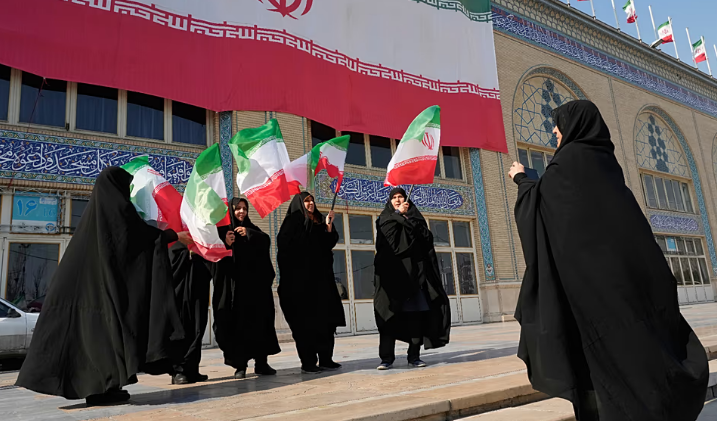
Local outlet Fars reported that a planned “silent and peaceful sit-in” to commemorate the dead turned confrontational, with some students shouting slogans including “death to the dictator,” referring to Supreme Leader Ali Khamenei. Footage showed students waving Iranian flags and holding memorial photographs facing masked crowds restrained by men in suits, illustrating the tensions on university campuses.
The protests began in December over financial hardship and quickly escalated into nationwide anti-government demonstrations. Iranian authorities admit more than 3,000 people were killed during the crackdown, attributing the deaths to “terrorist acts” orchestrated by foreign enemies. U.S.-based Human Rights Activists News Agency estimates that more than 7,000 protesters were killed, though the true figure may be higher. On Friday, U.S. President Donald Trump claimed 32,000 deaths without citing sources, prompting Iranian Foreign Minister Abbas Araghchi to challenge critics on social media X to provide evidence disputing Tehran’s official numbers.
The unrest comes as Iran faces mounting pressure in ongoing nuclear negotiations with the United States. U.S. military forces have increased their presence in the region, including aircraft near Iran and the Strait of Gibraltar. Reuters reported U.S. aircraft at Lajes Air Base and the aircraft carrier USS Gerald R. Ford in nearby waters. Flight tracking data showed Bulgaria’s Sofia airport temporarily closed to civilian traffic, with the Ministry of Defence confirming U.S. Air Force operations as part of NATO’s enhanced vigilance.
Several countries, including Sweden, Serbia, and Australia, have advised their citizens to leave Iran or avoid travel. Serbia’s foreign ministry said, “Due to the deteriorating security situation, citizens of the Republic of Serbia are not recommended to travel to Iran in the coming period.”
Recent reporting from the New York Times indicates that Ali Larijani, former IRGC commander and longtime political figure, has taken on a more prominent role in directing key national affairs, marginalizing President Masoud Pezeshkian, who continues to focus on his medical background rather than political crisis management. Larijani has been tasked with planning succession for key positions and overseeing military readiness amid concerns over potential U.S. strikes. Reports also indicate Iran has deployed ballistic missile launchers along the western borders near Israel and the southern Persian Gulf.
Analysts caution that despite these contingency plans, the supreme leader remains central to Iran’s political system. Ali Vaez of the International Crisis Group noted that the absence of the top leader could create “unforeseeable challenges,” underscoring the fragility of governance amid domestic unrest and international pressure.
As students return to the streets and U.S. military activity intensifies, Iran faces heightened volatility, with both domestic dissent and international diplomacy shaping the country’s immediate political landscape.
