


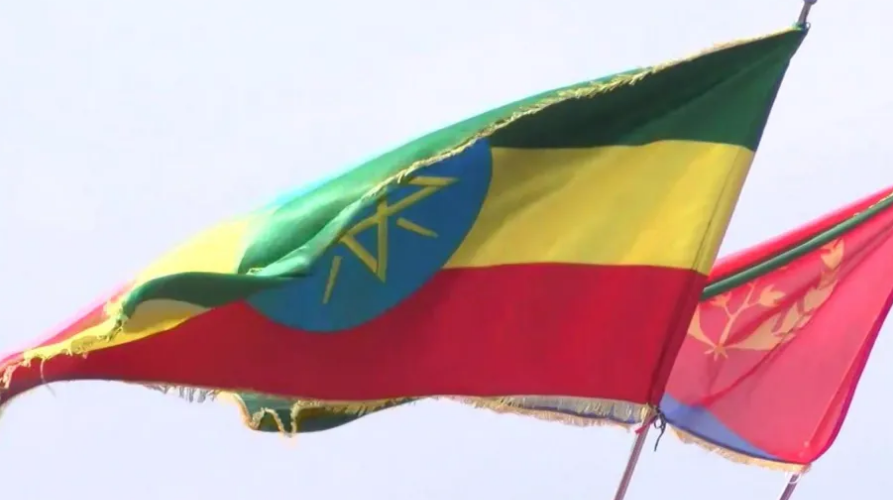
Eritrea has denied claims by Ethiopia that its troops were operating on Ethiopian soil, calling the accusations “false” and “fabricated.” The dispute comes amid growing tensions between the two countries, which fought a border war from 1998 to 2000 that left more than 100,000 people dead.
On Saturday, Ethiopia’s Foreign Minister Gedion Timothewos sent a letter to his Eritrean counterpart demanding the withdrawal of Eritrean forces. The letter accused Eritrea of “outright aggression,” alleging joint military manoeuvres with Ethiopian rebel groups in the north and the supply of weapons to those factions.
“Developments over the last few days indicate that the Government of Eritrea has chosen the path of further escalation,” the Ethiopian letter stated. It warned that the presence of Eritrean troops on northeastern Ethiopian territory, combined with joint operations in the northwest, represented acts of provocation and aggression.
Eritrea’s Information Ministry responded strongly, calling the allegations “patently false and fabricated.” The ministry said the claims were “astounding in tone and substance” and accused Ethiopia of attempting to fuel tensions unnecessarily. “The Government of Eritrea has no appetite for, or desire to, engage in meaningless acrimony to add fuel and exacerbate the situation,” it said.
Relations between the two countries have been historically fraught. Eritrea gained independence from Ethiopia three decades ago, but a full peace deal following the 1998–2000 border war was never implemented. Relations improved in 2018 after Ethiopian Prime Minister Abiy Ahmed, later awarded the Nobel Peace Prize, visited the Eritrean capital, Asmara. Eritrea also supported Ethiopia during the recent civil war in Tigray, backing the federal government against Tigrayan forces.
Recent developments, however, have strained ties again. Ethiopia now accuses Eritrea of supporting rebel groups in Tigray who oppose the peace deal that ended the civil war. Last month, Ethiopian authorities said they intercepted thousands of rounds of ammunition allegedly sent by Eritrea to Tigrayan fighters. Eritrea denied the allegations, calling them “false flags” designed to justify a war it claims Ethiopia has sought for over two years.
Tensions have also been inflamed by historical grievances. Ethiopia’s government has raised the issue of access to the sea through Eritrean ports, which it considers an existential concern. Prime Minister Abiy has described Ethiopia’s loss of direct access to the Red Sea after Eritrean independence as a “mistake.” In his letter, Timothewos suggested that withdrawal of Eritrean forces could pave the way for talks on this issue.
The situation is further complicated by accusations regarding past atrocities. Last week, Abiy claimed for the first time that Eritrean troops committed massacres in the Ethiopian city of Aksum during the Tigray conflict, allegations Eritrea has consistently denied.
With both sides exchanging sharp warnings, analysts fear that the longstanding tensions between Ethiopia and Eritrea could escalate once again, reviving fears of renewed conflict in the Horn of Africa.
