


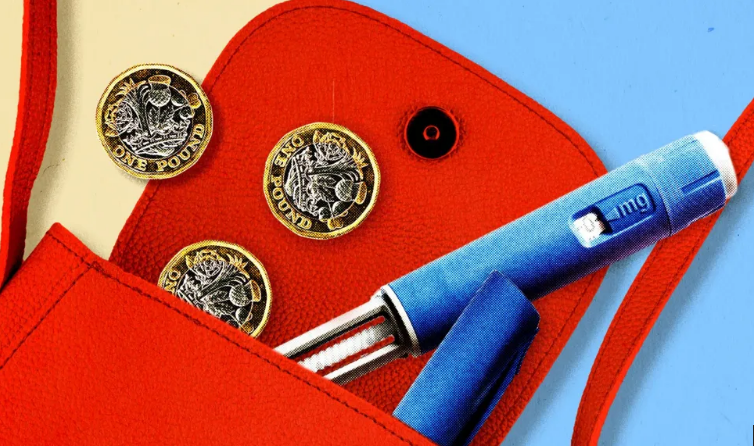
They’re the injections helping some people shed pounds, but weight-loss drugs are also transforming the way people spend. According to research from University College London, around 1.6 million people in the UK used weight-loss injections in 2024, with millions more expressing interest in trying them.
These drugs, which mimic the natural hormone GLP-1 to reduce appetite, have led users to change their habits and spending patterns. Sam Gillson, 38, from Shropshire, says his weekly food shop has decreased significantly since starting the injections in June, having lost more than four stone. “I’m definitely buying more fresh foods, and fewer unhealthy ready meals like pizza and nuggets,” he said.
Supermarkets are adjusting to this shift. The Co-op, Morrisons, and Marks & Spencer have introduced nutrient-dense ready meals, while Ocado now offers smaller portion sizes, such as 100g steaks, in response to growing demand for mindful eating. Jonny Forsyth, a food and drink strategist at Mintel, said GLP-1 drugs are “changing the culture,” making nutrient-dense products fashionable and reinforcing existing trends toward healthier diets.
The impact extends beyond food. Research from KAM Insight found that nearly a third of weight-loss injection users eat out or drink less. Annie Haslam, 70, from Cornwall, spends around £186 a month on the jabs and says she has largely stopped taking trips to restaurants or ordering takeaways. At the same time, alcohol consumption has declined. A 2025 study by Worldpanel by Numerator found a 15-percentage point drop in alcohol purchases among households using GLP-1 drugs, echoing a broader trend toward low- and no-alcohol options.
Fashion spending is also rising. As users lose significant weight, they must replace clothing, including shoes and underwear. Annie estimates her wardrobe refresh cost “a couple of thousand pounds.” Dan Coatsworth of AJ Bell predicts the drugs will give a “massive tailwind” to the fashion sector, benefiting both new and second-hand markets. Simone Konu-Rae, a lecturer at Central Saint Martins, notes that weight loss can inspire people to explore styles they previously avoided, boosting consumer confidence.
The beauty, health, and fitness industries are feeling the effects as well. Weight-loss injection users are increasing spending on skincare, supplements, and fitness services. Will Orr, chief executive of The Gym Group, says trainers are now educated on how to support members using these treatments, while the British Association of Aesthetic Plastic Surgeons reported an 8% rise in facelifts in 2024, reflecting demand from people who have lost weight.
Experts suggest that while some changes may be driven by the cost of the drugs, the trend highlights a wider shift in lifestyle choices. As more people adopt weight-loss injections, businesses across food, fashion, fitness, and wellness are adapting to meet the needs of a new type of consumer, shaping spending habits in the process.
