


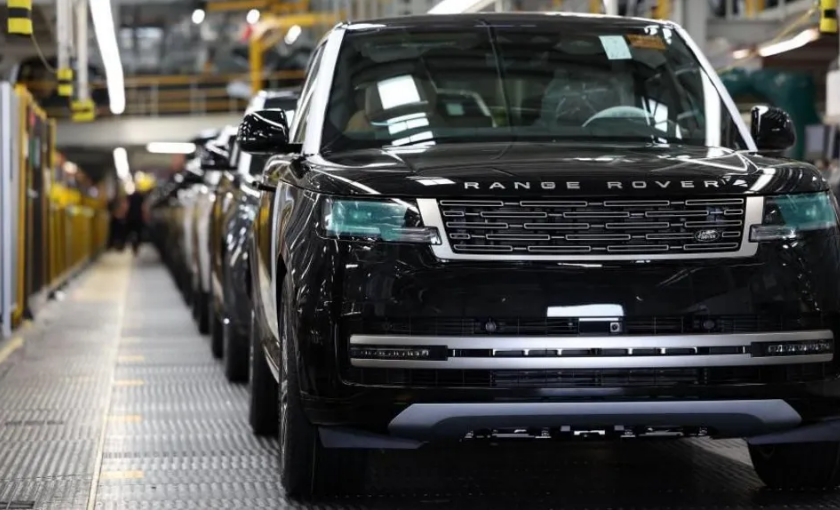
The UK government is considering emergency measures to support Jaguar Land Rover’s (JLR) supply chain after the carmaker was forced to halt production following a major cyber-attack.
JLR, owned by India’s Tata Motors, shut down its IT networks at the end of August after the hack, leaving its three plants in Solihull, Wolverhampton, and Halewood idle. The company, which normally produces around 1,000 vehicles per day, has told workers that operations will not resume until at least October, with reports suggesting the disruption could continue into November.
The suspension has raised concerns for the thousands of firms in JLR’s supply chain, particularly smaller businesses that rely solely on supplying components to the carmaker. Around 30,000 people are directly employed by JLR, while about 100,000 work for its suppliers. The ripple effects are already being felt more widely, with nearby businesses such as cafes and logistics firms also impacted.
Some suppliers warn they may not survive without government intervention. One unnamed supplier told the BBC: “To say we’re disappointed is an understatement. The government simply don’t understand the complexity of what they’re dealing with. We don’t need promises, we need help.”
Ministers are exploring several options, including stockpiling parts from suppliers until JLR’s production lines restart. However, the plan faces doubts from suppliers themselves, who question whether it would be practical given JLR’s highly complex just-in-time manufacturing system. Government-backed loans to suppliers are also under discussion, though this option has received a lukewarm reception.
Unions have called for a Covid-style furlough scheme to protect workers, but ministers are understood to have ruled this out due to the high costs involved. Former West Midlands mayor Andy Street voiced support for government-backed loans, telling BBC Radio 4 that suppliers had been “very successful” and deserved backing to weather the crisis.
The attack is estimated to be costing JLR at least £50 million a week in lost production. Industry sources have reported that the company had not secured finalised insurance cover for cyber-attacks before the incident, raising questions about its preparedness. The BBC has contacted JLR for comment.
An investigation into the attack is ongoing, with assistance from the National Cyber Security Centre. While governments around the world have increasingly helped firms respond to cyber incidents by deploying technical experts, direct financial aid has been rare. If the UK were to step in, it would mark the first time a business had received government support due to the impact of a cyber-attack.
In the United States, authorities have sometimes recovered ransom payments through so-called “hack backs,” but in the UK, the financial burden of cyber-attacks has traditionally fallen on insurers and affected companies themselves. The current crisis could test whether that approach needs to change.
