


Known for its snow-capped peaks, pine forests, and the gushing Lidder River, Pahalgam has long been a jewel of Kashmir’s tourism. But on April 22, its serene meadows were shattered by a massacre that left 26 people dead, including 25 Hindu tourists and a local Muslim pony handler.
The attack, carried out in Baisaran — a picturesque meadow just 7km from Pahalgam — jolted not only the valley but also reignited tensions between nuclear-armed neighbours India and Pakistan. New Delhi blamed Pakistan-backed militants, a charge Islamabad denied. The fallout led to four days of cross-border missile and drone attacks before a fragile truce was restored.
Now, nearly three months later, Pahalgam is slowly trying to recover. The killing of tourists during the peak season devastated the local economy, which relies almost entirely on tourism between April and June.
“What happened here is condemnable… an inhuman act,” said Javeed Burza, president of the Pahalgam Hotels and Restaurants Association. “We had bookings through June, but everything collapsed like a pack of cards.”
To restore confidence, Jammu and Kashmir Chief Minister Omar Abdullah made a high-profile visit to Pahalgam, holding a cabinet meeting and cycling through the town. For Abdullah, the connection is personal — he spent childhood summers rafting and fishing in the area.
In the town’s main market, many shops remain shuttered. Fayyaz Ahmad, a shawl seller, reopened his shop for the first time since the killings. “The last three years had been booming,” he said. “Now I’ve had to lay off staff. We don’t understand why tourists were targeted.”
Baisaran, once a popular picnic spot, remains off-limits. Two people have been arrested for allegedly sheltering the attackers, but those who carried out the killings remain at large.
Abdul Wahid Wani, head of the local pony owners’ union, was among the first to reach the scene. “I saw bodies, I saw children crying. We carried the injured and dead down on our backs,” he recalled. “For many nights I couldn’t sleep.”
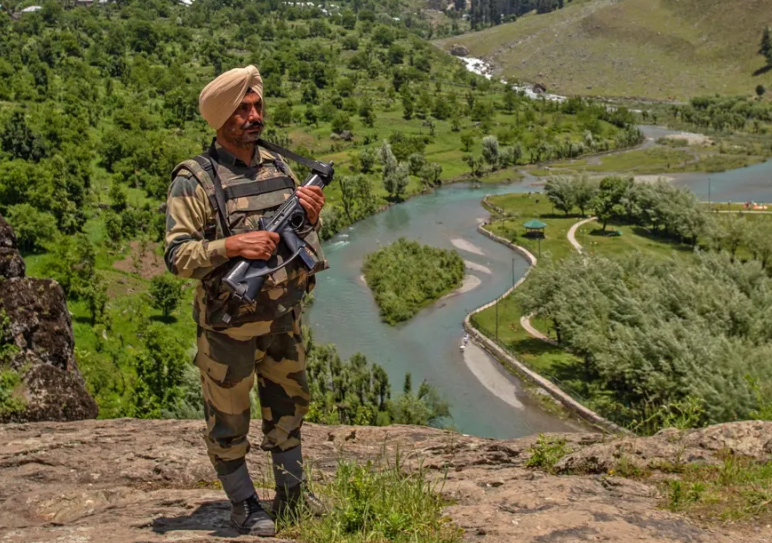
Yet signs of resilience are returning. The annual Amarnath Yatra began on July 3, bringing thousands of Hindu pilgrims through Pahalgam. Camps line the pilgrimage route, and police and paramilitaries have been heavily deployed to ensure safety.
Tourism is slowly trickling back. According to tour operators, 40% of the 45,000 tourists who visited the Kashmir Valley in June made their way to Pahalgam. Families are once again taking photos beneath the town’s “Love Pahalgam” sign.
Among them were Shabiba and Hamid Jaffar, who said they were warned against visiting but came anyway. “It’s totally safe,” said Shabiba. “My children are so happy, they want to move here.”
The scars of April’s violence are still fresh, but many in Pahalgam cling to hope. “We want the world to know that Kashmiris are not violent,” said Mr Wani. “We are hospitable, we are peaceful — and we want peace back in our paradise.”
