


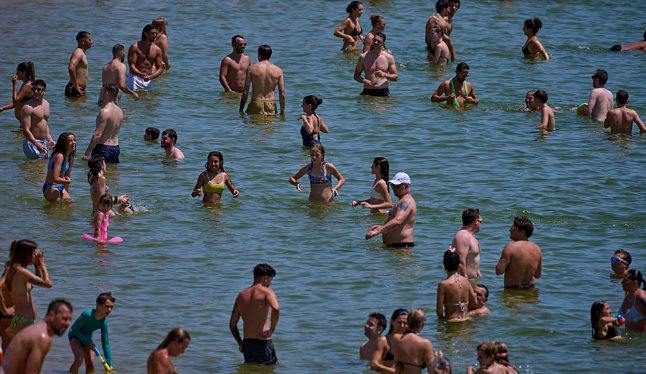
Rising temperatures across Europe are creating more favourable conditions for bacteria in coastal waters, prompting health authorities to warn swimmers and seafood consumers about infections that can become more common during the summer.
The European Centre for Disease Prevention and Control has highlighted a seasonal increase in the risk of Vibrio infections as warmer water allows the bacteria to multiply more rapidly. Although infections remain relatively uncommon in Europe, the risk can increase during periods of high temperatures, particularly in warm coastal and brackish waters.
Vibrio bacteria occur naturally in coastal waters and are particularly suited to environments with warmer temperatures and lower salinity, including estuaries and other areas where rivers meet the sea. The bacteria can also be present in raw or undercooked shellfish, especially oysters.
Some Vibrio infections cause stomach illnesses, including diarrhoea, abdominal pain, nausea, vomiting, fever and chills. Contact with contaminated seawater can also lead to infected wounds and ear infections. Severe illness remains uncommon, but people with chronic liver disease, diabetes, weakened immune systems or certain other health conditions face a higher risk of serious complications.
The ECDC has updated its Vibrio monitoring tool to help identify coastal areas where environmental conditions are particularly suitable for bacterial growth. The agency also publishes seasonal assessments based on water temperatures and other environmental factors.
Health officials say simple precautions can significantly reduce the risk of infection. People with open wounds, cuts, scratches or recent piercings are advised to avoid swimming in coastal or brackish water. When avoiding the water is not possible, wounds should be protected with a waterproof dressing. Any cuts exposed to seawater should be washed with clean fresh water afterwards.
Food safety is also important. The ECDC advises against eating raw or undercooked shellfish and recommends cooking seafood thoroughly to reduce the chance of Vibrio infection.
The Baltic Sea is among the European areas where Vibrio bacteria are frequently detected during the warmer months because of its relatively low salt concentration. However, the ECDC has warned that rising sea temperatures could allow the bacteria to spread into additional coastal areas.
The agency stressed that the overall risk remains low for most people, but changing environmental conditions mean monitoring is increasingly important during hot summers. Simple measures such as protecting wounds, practising seafood safety and checking local conditions can help reduce the risk while people enjoy beaches and swimming areas.
