


Iran has stated it will refuse to move forward with broader negotiations with the United States unless fighting in Lebanon comes to an end, adding a new layer of tension to already fragile diplomatic efforts aimed at stabilising the Middle East.
Foreign ministry spokesman Esmaeil Baqaei said on social media platform X that negotiations on a final agreement would not proceed without full implementation of the ceasefire provisions, particularly the clause calling for an end to hostilities across all fronts, including Lebanon.
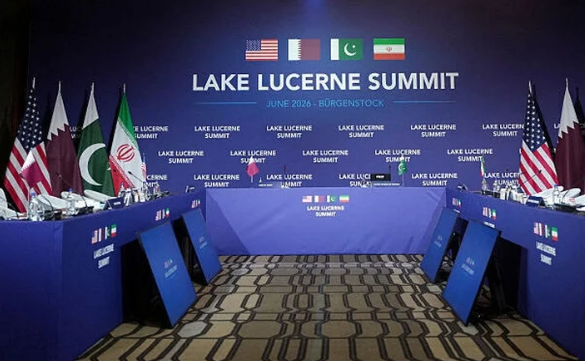
The comments came as delegations from Iran and the United States gathered in Switzerland for the latest round of talks aimed at extending a preliminary ceasefire agreement and laying the groundwork for a wider settlement. The discussions, taking place at the Burgenstock resort, bring together US and Iranian officials alongside mediators from Pakistan and Qatar.
US Vice President JD Vance, who arrived in Switzerland early on Sunday, said the focus would be on both the nuclear file and the Lebanon ceasefire. He noted that senior US envoys were already engaged in technical discussions and reported initial progress.
“We’re hoping to make progress on the nuclear issue and the Lebanon ceasefire issue,” Vance told reporters before departing Washington, adding that his participation would be brief.
Iranian officials, however, have maintained a firm stance on uranium enrichment rights while expressing willingness to provide assurances that Tehran is not pursuing nuclear weapons. President Masoud Pezeshkian reiterated that Iran could formalise its position in writing but would not abandon enrichment capabilities.
Alongside the diplomatic negotiations, tensions on the ground continue to escalate. Iran has accused Israel of repeatedly violating ceasefire arrangements in Lebanon, while warning of broader regional consequences. Iranian-linked statements also suggested renewed restrictions on maritime traffic through the Strait of Hormuz, though US military sources reported continued shipping activity through the strategic waterway.
Military clashes between Israel and Hezbollah have persisted despite earlier ceasefire announcements. Israeli forces reported additional combat fatalities, while Lebanese authorities said renewed airstrikes across southern regions had resulted in heavy casualties. Hezbollah, meanwhile, accused Israel of conducting operations under the cover of a truce.
The conflict, which has drawn in multiple regional actors since early March, has killed thousands and intensified fears of a wider regional escalation. Previous ceasefire arrangements have repeatedly collapsed, with both sides trading blame for violations.
With negotiations now underway in Switzerland, diplomats are attempting to separate the nuclear discussions from the broader regional conflict, even as Iran insists the issues remain directly connected.
