


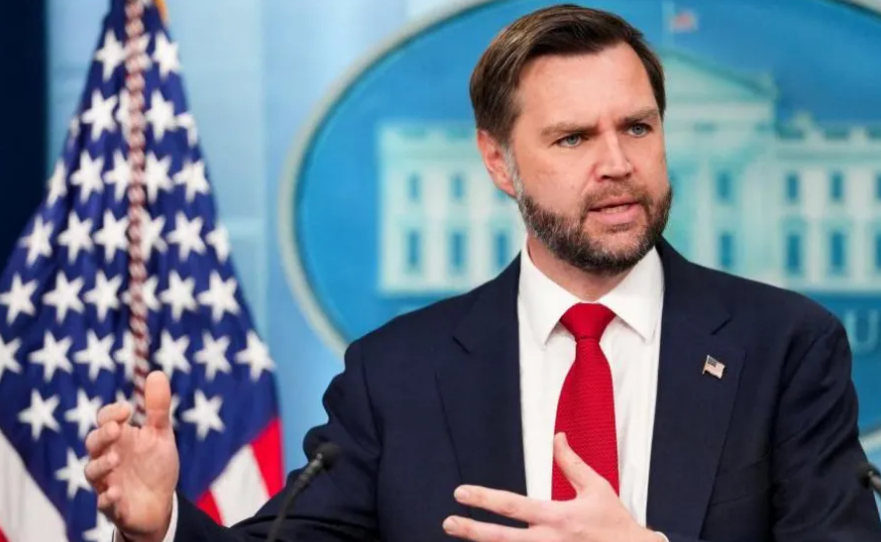
A new round of direct talks between the United States and Iran has been postponed after Vice-President JD Vance delayed a planned visit to Switzerland, marking a setback in efforts to advance a recently signed ceasefire and political agreement between the two countries.
The White House confirmed late on Thursday that Vance would no longer travel for the discussions, saying logistical arrangements had not been “simple or predictable.” It added that the US remained committed to beginning technical negotiations “as soon as possible,” although plans for the meeting had not been finalised.
The talks had been scheduled to take place in Switzerland and were expected to focus on the implementation of a newly agreed framework deal between Washington and Tehran. That agreement, announced earlier this week, aims to de-escalate tensions after months of conflict and outlines initial steps toward a broader settlement.
Switzerland’s foreign ministry later confirmed that the planned meeting at the Burgenstock resort had been postponed, while noting that preparatory work for future negotiations was still under way.
The agreement itself includes several major provisions, among them the reopening of the Strait of Hormuz, a commitment that Iran will not pursue nuclear weapons, and a $300 billion reconstruction plan for Iran. It also provides for the United States to lift all forms of sanctions on Tehran. Both sides have agreed to work toward a final settlement within 60 days, with the possibility of extension if mutually accepted.
Despite the diplomatic progress, violence has continued across parts of the region. Lebanese health authorities reported that at least 18 people were killed overnight in southern Lebanon following Israeli airstrikes. Israel’s military said the strikes targeted Hezbollah infrastructure and operatives linked to the Iran-backed group. The Israeli army also confirmed that four of its soldiers were killed in the ongoing hostilities.
The ceasefire deal announced earlier this week also called for an end to fighting in Lebanon, although implementation has remained uncertain. Hezbollah-linked media outlets reported that the postponement of the US–Iran talks was linked to continued Israeli strikes, which have complicated efforts to enforce the agreement on the ground.
Lebanon has called for its inclusion in any ceasefire arrangements, a demand Israel has rejected, maintaining that its operations against Hezbollah are separate from broader negotiations with Iran. Meanwhile, US President Donald Trump said on Truth Social that he expected a ceasefire to take hold “on all fronts,” including in Lebanon.
Iran’s Supreme Leader, Mojtaba Khamenei, said he had approved the agreement despite reservations, accusing the United States of using pressure tactics to secure the deal. He added that future face-to-face negotiations with Washington would not imply acceptance of US positions.
The agreement also references Lebanon’s sovereignty and territorial integrity, while calling for a permanent end to hostilities. However, continued strikes and diplomatic delays underscore the fragility of the ceasefire process as negotiations face new uncertainty.
