


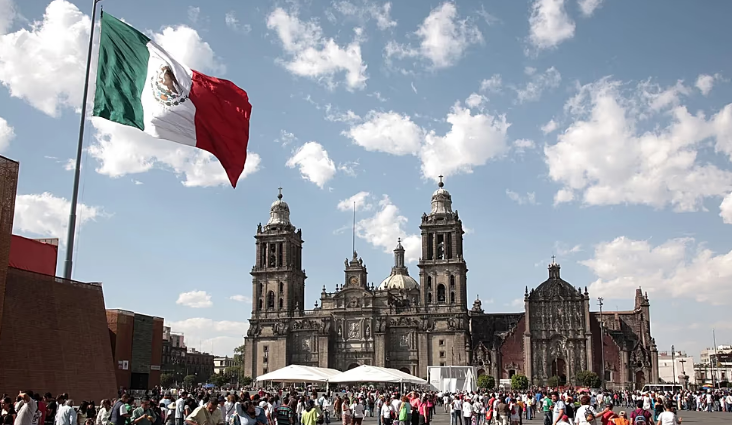
Mexico is seeing a surge in digital nomads from Europe ahead of the 2026 FIFA World Cup, as remote workers increasingly combine travel, work and sport in a trend reshaping the country’s tourism industry.
Although Mexico will host just 13 of the tournament’s 104 matches, key host cities including Mexico City, Guadalajara and Monterrey are already attracting visitors planning extended stays well before the competition begins. Unlike traditional tourists, many of these travellers intend to remain for weeks or even months, working remotely while immersing themselves in the World Cup atmosphere.
The trend reflects a broader global shift toward flexible working arrangements. As remote work becomes more common, major international events are increasingly influencing travel decisions. For many professionals, the World Cup offers an opportunity to blend work commitments with a unique cultural and sporting experience.
Tourism officials say the impact is already being felt. Adriana Vega, tourism secretary for the state of Querétaro, said the tournament has significantly raised Mexico’s profile among European travellers. She noted that arrivals from Spain rose by 16 percent in the first quarter of the year.
To meet growing demand, air connectivity between Spain and Mexico has been expanded. Two new direct flights operated by Iberojet now connect Madrid with Querétaro, making the region more accessible to European visitors.
Officials are also developing travel packages that combine football with cultural attractions, beach destinations and regional experiences. The aim is to encourage longer stays and broader exploration beyond the host cities.
The economic benefits are expected to extend well beyond stadiums and hotels. Demand for short- and medium-term rentals, coworking spaces and flexible accommodation has increased steadily in the three host cities. Restaurants, local transport providers and other service businesses are also likely to benefit from the spending patterns of long-stay visitors.
Unlike short-term tourists, digital nomads typically spend more widely across local economies. They often engage with neighbourhood businesses, participate in professional communities and make regular use of urban services.
Spanish travellers are expected to play a particularly important role in this trend. According to Airbnb data, Spanish visitors attending the World Cup are likely to visit nearly four destinations during their stay and remain in Mexico for an average of 18 nights. Their travel habits closely match the digital nomad lifestyle, combining mobility, extended stays and remote work.
Guadalajara is expected to be especially popular, particularly if Spain’s national team plays there during the tournament.
Analysts believe this shift signals a broader transformation in global tourism. Travel is increasingly becoming a temporary lifestyle rather than a short escape. As remote work and major events intersect, destinations such as Mexico are positioning themselves not only as places to visit, but also as places to live and work.
For Mexico, the 2026 World Cup is proving to be more than a sporting spectacle. It is becoming a catalyst for a new era in tourism.
