


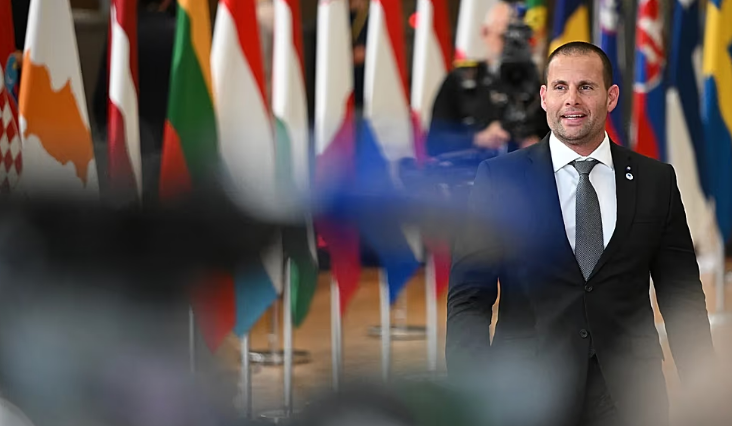
Malta will hold a snap general election on 30 May after Prime Minister Robert Abela announced he is seeking a fresh mandate for his Labour Party, citing rising energy costs linked to instability in the Middle East and growing concerns over inflation in the import-dependent economy.
In a televised address on Monday, Abela said the country required “an elected government with a new mandate focused solely on the country’s needs in light of all the challenges that the current context brings with it.” He framed the decision as necessary to ensure stability during a period of global uncertainty affecting energy and commodity prices.
The prime minister highlighted the impact of external shocks on Malta’s economy, particularly rising energy prices driven by conflict in the Middle East. He warned that inflationary pressures could intensify due to the country’s reliance on imported goods and energy supplies.
Abela pledged that his government would work to keep energy prices “stable,” describing the administration as a “shield” for households and businesses facing cost-of-living pressures.
Despite these challenges, Malta’s economy continues to perform strongly by European standards. The country has maintained relatively low public debt, estimated at around 46 percent of GDP, alongside a budget deficit of 2.2 percent and minimal recorded unemployment. However, much of the economy depends on foreign labour, and tourism remains a key pillar, contributing an estimated 15 percent to national output.
Abela, a former lawyer who first took office following a 2020 leadership transition, secured a decisive victory in the 2022 general election. He will now face Nationalist Party leader Alex Borg in what is expected to be a closely watched contest.
The political backdrop remains shaped by long-standing tensions in Maltese politics. Abela’s predecessor, Joseph Muscat, resigned amid controversy over allegations that he protected political allies during investigations into the 2017 assassination of journalist Daphne Caruana Galizia. Her reporting had exposed alleged corruption involving senior government figures.
Malta’s political landscape has historically been dominated by two main parties, the Labour Party and the Nationalist Party, which have alternated in government since the mid-1960s.
The decision to call an early election comes at a time when European economies are grappling with the wider economic fallout of global conflicts, particularly in energy markets. Analysts say voters are likely to focus heavily on cost-of-living issues, energy security and economic stability when they head to the polls.
As campaigning begins, Abela is expected to emphasise economic resilience and continuity, while the opposition will seek to challenge the government’s handling of inflation and governance issues.
