


Europe is facing a paradox of soaring energy costs and wasted green power, as the war on Iran continues to expose the continent’s dependence on fossil fuels. While Brent crude, the world benchmark for oil prices, dipped yesterday morning (26 March) amid hopes of de-escalation, barrel prices have repeatedly exceeded $100 (around €86.38) since the conflict began. Before the US-Israel war on Iran, oil traded below €63 per barrel. Analysts say the surge is largely driven by the effective closure of the Strait of Hormuz, one of the world’s most critical fossil fuel chokepoints, responsible for roughly a fifth of global oil supplies.
Oil price volatility has pushed petrol and energy costs across Europe higher, prompting calls for increased North Sea drilling. However, research from the University of Oxford suggests expanding domestic oil and gas production would only save UK households up to £82 (€95) annually. By contrast, a fully renewable-powered UK could cut bills by up to £441 (€510) a year.
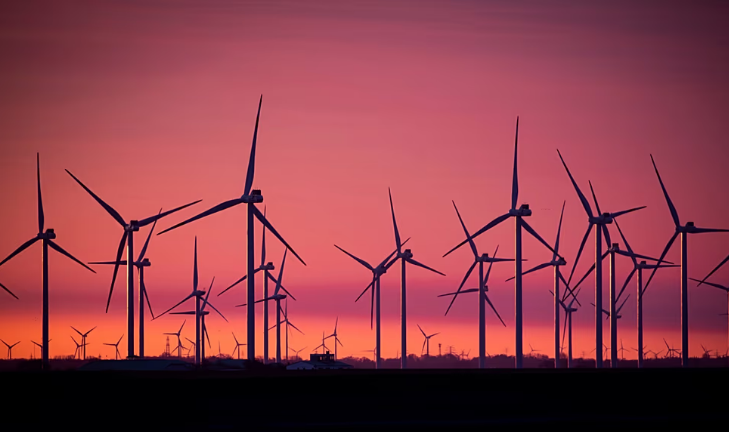
Despite rising geopolitical risks underscoring the appeal of green energy, Europe continues to waste enormous amounts of renewable electricity. Last year, Britain wasted £1.47 billion (around €1.78 billion) by curtailing wind turbines and paying gas plants to compensate. On 25 March alone, wasted wind cost the UK over £1.31 million (€1.5 million), with £95,091 (€109,831) attributed to curtailment and the remainder to purchasing replacement energy, mostly from fossil fuels. In Germany, curtailment compensation reached €435 million in 2025, down 22 percent from 2024 (€554 million), illustrating the scale of unused renewable power across the continent.
Energy experts point to Europe’s outdated infrastructure as a major factor. Much of the grid was designed for coal and later gas plants, sending power from central locations to population centers. Modern wind farms, however, are often offshore or in remote areas, making electricity transport more difficult. “When wind speeds are too strong, the grid becomes congested and the energy can’t reach where it’s needed,” says Octopus Energy. “This forces payments to switch wind turbines off and produce replacement power, often from fossil fuels.”
Aurora Energy Research warns that Europe’s grid bottlenecks now threaten Net Zero ambitions. Congestion management costs approached €9 billion in 2024, with 72 TWh of mostly renewable energy curtailed, roughly equivalent to Austria’s annual electricity consumption. Despite a 47 percent increase in grid investment over the last five years, experts say it remains insufficient.
In response, the UK government announced trials to provide discounted or free electricity on windy days in constrained areas. Greg Jackson, CEO of Octopus Energy, welcomed the initiative but cautioned that temporary trials may have limited impact. He argues permanent measures would encourage households and businesses to invest in electrification technologies, such as heat pumps, batteries, and electric vehicles, allowing surplus renewable energy to be used more effectively.
Europe’s outdated and under-invested energy grid means huge amounts of renewable energy are wasted every year. The case for renewable energy is stronger than ever, as the war on Iran continues to highlight the dangers of fossil fuel dependency.
