


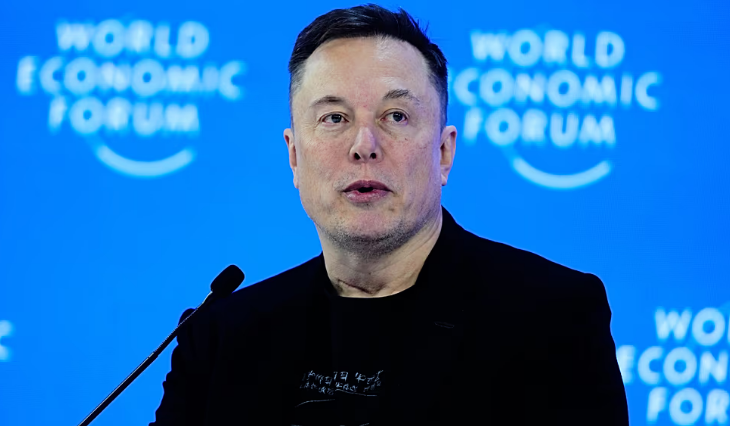
Elon Musk revealed plans for ‘Terafab,’ a chip manufacturing facility that will be jointly run by SpaceX and Tesla, on Saturday. The proposed site, to be built near Tesla’s headquarters in Austin, Texas, will produce chips designed to power electric vehicles, humanoid robots, and artificial intelligence data centres in space.
Musk said the new facility would technically consist of two separate fabs, each dedicated to producing a single chip design. One set of chips will serve Tesla’s vehicles and humanoid robots, while the second will be used by SpaceX and xAI to develop space-based data centres.
“The existing chip manufacturing industry is not supplying chips fast enough to meet the needs of our projects,” Musk told reporters in Austin. “We either build the Terafab, or we don’t have the chips, and we need the chips, so we build the Terafab.”
According to Musk, the facility aims to produce one terawatt of power per year, roughly double the total electricity generation in the United States today. Some chips will support 100 to 200 gigawatts annually, while others will eventually provide a terawatt of power in space. Specific timelines for construction or production were not disclosed.
The announcement highlights Musk’s growing focus on vertical integration across his companies. By controlling the production of chips internally, Tesla and SpaceX aim to reduce reliance on the global semiconductor supply chain, which has faced shortages in recent years. The move also aligns with Musk’s ambitions to expand the capabilities of AI and space-based computing.
Industry analysts noted that the scale of Terafab’s projected power output is unprecedented. Producing chips capable of delivering terawatt-level performance would mark a significant milestone in semiconductor and energy technology. It could also accelerate the development of robotics, autonomous vehicles, and space infrastructure.
Musk shared the plans on X, emphasizing that each fab will concentrate exclusively on one chip type, allowing the teams to optimise design and manufacturing processes. He described the project as essential for meeting Tesla and SpaceX’s growing technological needs.
Experts say Terafab could position Musk’s companies at the forefront of chip manufacturing, particularly for applications in robotics and space. Controlling chip production may also provide strategic advantages, reducing delays and costs associated with sourcing semiconductors from third-party suppliers.
As Tesla expands its electric vehicle line and SpaceX continues to deploy satellites and develop space technology, the Terafab project represents a major step in addressing the companies’ hardware bottlenecks. While detailed schedules remain unclear, Musk’s announcement signals an ambitious push to combine AI, robotics, and space infrastructure with domestic chip production in the United States.
