


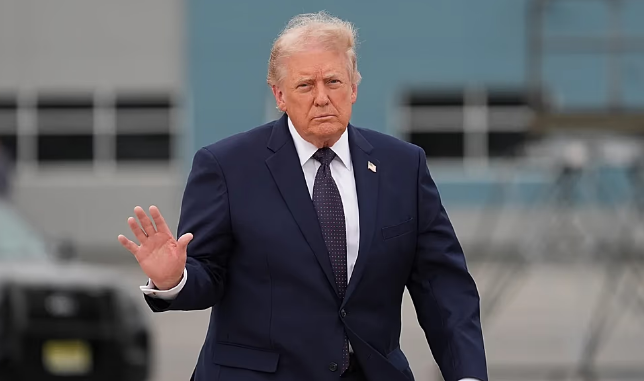
US President Donald Trump has said that negotiations with Iran are progressing in a “constructive” manner, while urging his representatives not to rush into any agreement, even as reports suggest a potential breakthrough may be nearing.
Writing on his Truth Social platform on Sunday, Trump said discussions between the two sides were “orderly and constructive” and insisted that both Washington and Tehran must take time to ensure the right outcome. He also said relations with Iran were becoming “much more professional and productive,” signalling a softer tone compared with earlier statements.
His comments followed remarks made just hours earlier indicating that a deal had been “largely negotiated,” fuelling speculation that an official announcement could be imminent. However, Trump later emphasised that no agreement had been finalised and that negotiators should proceed carefully.
According to media reports, any potential deal would aim to formally end the ongoing conflict, reopen the Strait of Hormuz, and require Iran to reduce or surrender its stockpile of highly enriched uranium. The waterway has remained closed since tensions escalated following military strikes on Iran earlier this year, contributing to a sharp rise in global energy prices.
Trump said sanctions and blockades on Iranian ports would remain in place until an agreement is fully reached and signed. “It will remain in full force and effect until an agreement is certified,” he said.
Under the reported framework, Iran would be expected to transfer or dilute its enriched uranium stockpile, with some material potentially sent to a third country, including Russia, according to diplomatic sources cited in media reports. The International Atomic Energy Agency has previously reported that Iran holds more than 440 kilograms of uranium enriched to 60%, close to weapons-grade levels.
Iranian officials have not publicly confirmed any commitment to surrender its uranium stockpile, although President Masoud Pezeshkian reiterated that Tehran does not seek nuclear weapons and maintains its programme is peaceful.
Iran’s foreign ministry said there were “narrowing differences” between the two sides, though officials remain cautious due to past breakdowns in negotiations and recent military strikes during the broader conflict.
Tensions have remained high since the escalation of hostilities earlier in the year, with a ceasefire in place since April, despite sporadic exchanges of fire. The reopening of key shipping routes such as the Strait of Hormuz is seen as central to easing global market disruptions and stabilising energy supplies.
While optimism around the talks has grown, officials on both sides have stressed that significant issues remain unresolved before any final agreement can be reached.
