


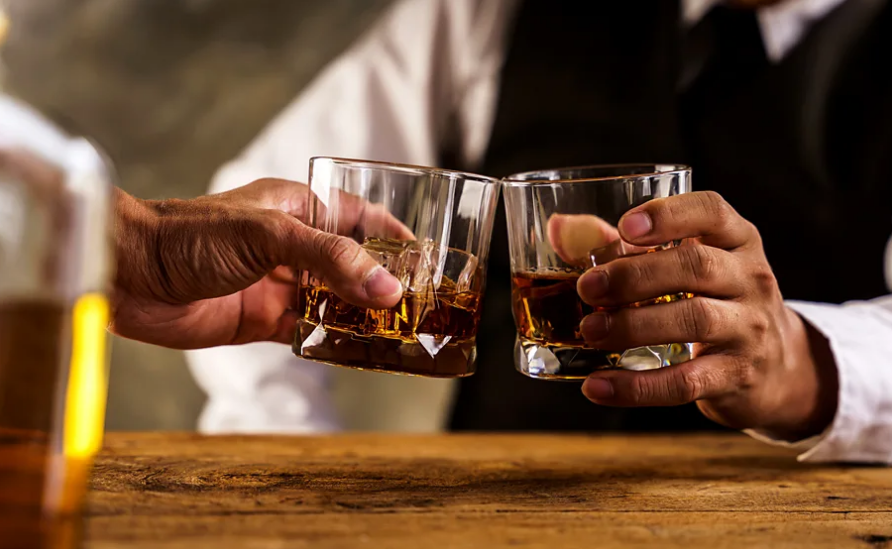
Saudi Arabia has begun permitting wealthy foreign residents to purchase alcohol, marking a dramatic change after a 73-year ban. Analysts say the relaxation may eventually be extended to tourists, reflecting the kingdom’s ongoing social and economic reforms.
The policy is being tested in a discreet store in Riyadh’s Diplomatic Quarter, an affluent enclave known for embassies, upscale residences, and a café culture popular with expatriates. The store, which first opened in January 2024 exclusively to non-Muslim diplomats, now allows wealthy, non-Muslim foreign residents to buy beer, wine, and spirits under new rules quietly introduced at the end of 2025.
To qualify, residents must either hold a Premium Residency permit, which costs 100,000 riyals ($27,000; £19,300) annually, or earn at least 50,000 riyals per month. Proof of residency and religious affiliation must be shown at the door, and those without the permit must provide a company-issued salary certificate. Foreign tourists remain ineligible. Mobile phones are sealed in tamper-proof bags before entry, and queues can stretch over an hour, though the experience inside is reportedly straightforward.
One European expatriate described the shop as “well-stocked,” noting prices are two to three times higher than in Western markets but significantly lower than the black market. Alcohol purchases are regulated through a points-based monthly quota system, allowing dozens of litres per person, with diplomats receiving discounts.
The expansion of alcohol sales coincides with broader reforms under Crown Prince Mohammed bin Salman, who has reopened cinemas, lifted the ban on women driving, and hosted international music festivals. The move aligns with Saudi Arabia’s Vision 2030 initiative, which aims to diversify the economy and boost tourism, particularly non-religious travel. Last year, the kingdom welcomed nearly 30 million international visitors, with more than half on leisure trips, and aims to reach 70 million by 2030.
Saudi authorities are reportedly planning additional stores in Jeddah and Dhahran, with the same restrictions on purchases. Hospitality businesses are already preparing for further easing, with some hotels hiring bartenders in anticipation of tourists being allowed to buy alcohol in the future. Key tourist hubs such as the Red Sea islands and al-Ula could be among the first areas to see broader sales.
Experts note the policy is being introduced cautiously to avoid backlash in a deeply conservative society. Sebastian Sons, a researcher at the Carpo think tank, says authorities are “willing to go two steps forward and one step back” on sensitive reforms, drawing parallels with Qatar’s controlled alcohol policies during events like the 2022 World Cup.
Despite the new law, alcohol remains socially taboo for many Saudis, who continue to consume it privately or cross into Bahrain, where it is legally available. Observers see the controlled rollout as a careful balance between attracting foreign investment and tourism, while managing societal sensitivities in a country where Islam’s principles still heavily influence public life.
