


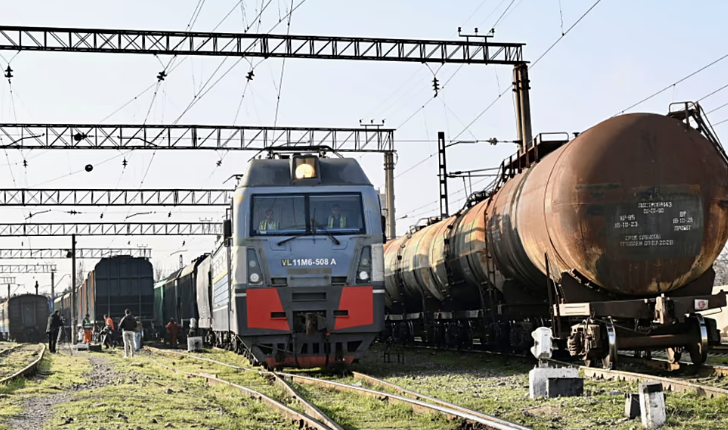
Grain wagons from Russia arrived in Armenia via Azerbaijani territory on Sunday, marking another step in the ongoing normalisation process between Baku and Yerevan. A total of 25 wagons, carrying 1,746 tonnes of grain, were transported in the latest shipment.
These deliveries are part of a series of cargo shipments that have resumed in recent months after decades of transit restrictions. Since the resumption began, 285 wagons, transporting nearly 19,900 tonnes of grain, have passed through Azerbaijani territory to reach Armenia.
The first shipment under this arrangement took place in November 2025, carrying wheat from Kazakhstan. The reopening of transit routes comes after a longstanding blockade on goods to Armenia, which had been in place since the 1990s amid conflict in the region.
The decision to allow transit was officially announced by Azerbaijani President Ilham Aliyev on 21 October 2025, following a meeting with Kazakhstan’s President Kassym-Jomart Tokayev in Astana. The announcement underscored the importance of improving regional connectivity and supporting broader peace initiatives between the two countries.
All grain shipments follow a consistent route, passing from Azerbaijan through Georgia before reaching Armenia’s Dalarik station. Observers say these deliveries are more than just commercial transactions; they represent a tangible step toward building trust and cooperation after years of tense relations.
The shipments are also intended to address Armenia’s agricultural supply needs. Experts note that reopening these transit corridors can help stabilise food supply chains and reduce transportation costs, benefiting farmers and consumers alike.
The initiative reflects a wider trend of cautious engagement between Baku and Yerevan, aimed at normalising trade and transport links. Analysts say that while challenges remain, practical cooperation on cargo transit could create momentum for broader dialogue on political and economic issues in the region.
Sunday’s shipment adds to a growing pattern of deliveries, showing that logistical frameworks for transiting goods across borders are functioning smoothly. By gradually expanding these exchanges, both countries hope to establish a more predictable and mutually beneficial trading environment.
For Armenia, the reopening of transit routes through Azerbaijan offers a strategic opportunity to access supplies more efficiently. For Azerbaijan, allowing passage of foreign grain reinforces its role as a regional transit hub and signals a willingness to engage constructively with its neighbours.
As grain wagons continue to move across borders, the initiative provides a practical example of how commerce can support peace efforts and regional stability. While political issues between Baku and Yerevan remain complex, these shipments demonstrate that concrete steps toward cooperation are possible, offering a potential blueprint for further economic and diplomatic engagement in the South Caucasus.
