


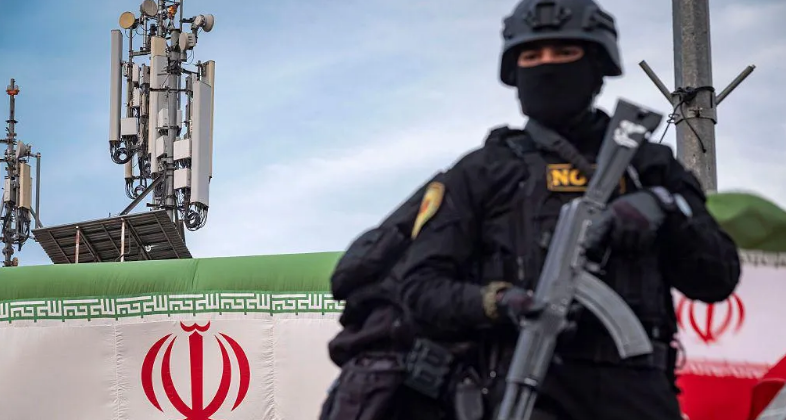
Iran has entered its 10th day of one of the most extensive internet shutdowns in history, leaving nearly 92 million citizens cut off from online services, including phone and text messaging. The blackout began on 8 January, amid escalating protests and a government crackdown on demonstrators.
Iranian authorities have framed the shutdown as a response to externally directed “terrorist operations,” according to Foreign Minister Abbas Araghchi. Officials have not announced when internet services will be fully restored, and reports suggest the government may be preparing to impose permanent restrictions on access to the international web.
On 15 January, IranWire reported that government spokesperson Fatemeh Mohajerani told journalists international web access would not resume until at least the Iranian New Year in late March. Internet freedom monitors at FilterWatch cited unnamed sources indicating that the government is implementing new systems to isolate the country from the global internet. “There should be no expectation of reopening international internet access, and even afterwards, users’ access will never return to its previous form,” the organization said.
The BBC has been unable to independently verify the report. However, journalists who spoke to BBC Persian also said they were told that internet access would not be restored in the near term.
Iran has long maintained tight controls over the internet, blocking most Western social media platforms and international news websites, including BBC News. Many Iranians have relied on Virtual Private Networks (VPNs) to access popular services such as Instagram.
Internet freedom groups warn that shutdowns are often used to conceal government violence. Access Now, a rights organization, said the current blackout is the longest in Iran’s history. The charity called for full restoration of online access, stating, “Restricting access to these essential services not only endangers lives but emboldens authorities to conceal and evade accountability for human rights abuses.”
The blackout has already disrupted daily life, particularly e-commerce and other digital services. It comes as Iran experiences widespread protests following incidents of state violence. According to the Human Rights Activists News Agency (HRANA), more than 3,300 confirmed deaths of protesters have been recorded, with an additional 4,380 cases under review. Arrests have reached 24,266 across 187 cities. Independent verification of these figures remains difficult due to the communications blackout.
Past shutdowns in Iran, such as during the nationwide protests in November 2019 and September 2022, as well as during the Iran-Israel conflict in June 2025, have similarly been used to stifle dissent and limit reporting of government actions. Observers say the current shutdown represents a significant escalation, with potentially long-term consequences for access to information and civil liberties in the country.
As the blackout continues, international rights groups and journalists continue to press for transparency and a return to open communications, warning that prolonged restrictions threaten both livelihoods and accountability for human rights violations.
