


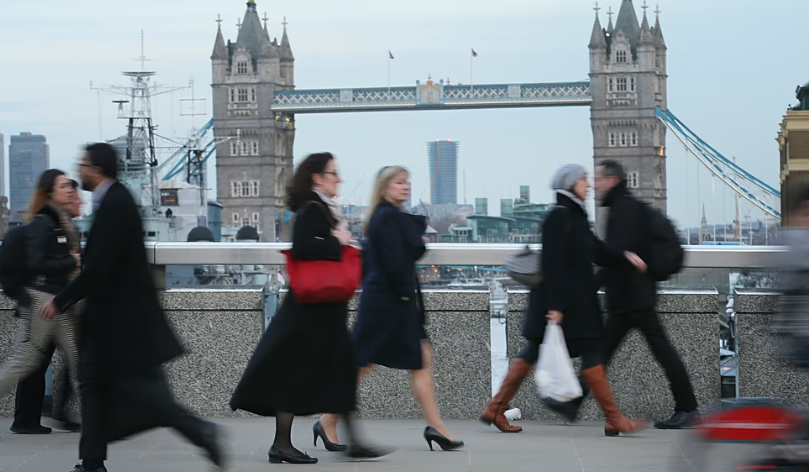
The traditional suit and tie may be losing their grip on Britain’s workplaces as data shows casual dress codes are becoming the new norm. The COVID-19 pandemic accelerated a major cultural shift in office attire, and trends suggest the change is here to stay.
According to data from global hiring platform Indeed, references to “casual dress” in UK job postings have soared since 2020 and remain significantly higher than pre-pandemic levels. In July 2025, 3.3% of job advertisements mentioned relaxed dress codes — more than ten times higher than before the pandemic, when fewer than 0.3% of listings included such references.
Indeed economists Callam Pickering and Jack Kennedy wrote that this evolution reflects broader changes in workplace expectations. “The pandemic triggered widespread changes in how people in the UK work, impacting expectations around where and how we work, but also what we wear,” they said in a recent blog post.
They added that a flexible dress policy can serve as a signal of company culture and help employers attract talent in a competitive labour market. Terms such as “smart casual” and “dress for your day” are now common in listings, reflecting a move away from strict corporate attire toward comfort and personal choice.
The rise in casual workwear aligns with deeper social and generational shifts. Millennials and Gen Z, who now make up a large share of the workforce, tend to value comfort and individuality over tradition. Many of them now occupy leadership positions, shaping policies that prioritise flexibility and inclusivity.
Dr. Abbey Bartosiak-Ison, a consumer science and analytics expert, said the pandemic altered workplace priorities. “Before the pandemic, companies were heavily focused on profit, often putting wellbeing second,” she told Euronews Business. “During the pandemic, the focus shifted dramatically; employees working from home prioritised health, family, and productivity over appearance.”
The influence of the technology sector has also spread across industries. Silicon Valley’s informal culture — hoodies, jeans, and trainers — has long symbolised creativity and innovation. This ethos is now being mirrored in marketing, media, and care roles, where casual attire is most commonly referenced.
Indeed’s data shows that from 2020 to 2023, job postings offering remote or hybrid options were more likely to include casual dress policies. Regional variations also emerged: Northern Ireland recorded the highest share of postings mentioning relaxed dress codes, followed by the North West and East Midlands. London, by contrast, had the lowest rate at just 2.3%, likely due to its concentration of financial and legal services, where formality remains the standard.
The enduring popularity of casual dress suggests a lasting shift in work culture. What began as a temporary pandemic adjustment has evolved into a defining feature of the modern workplace — one where comfort, flexibility, and authenticity increasingly outweigh convention.
