


Human blood cells exposed to space conditions begin to lose their ability to generate healthy new cells and show signs of genetic damage, according to new research backed by NASA. The findings raise concerns about the biological toll of long-duration space travel and its potential impact on astronaut health.
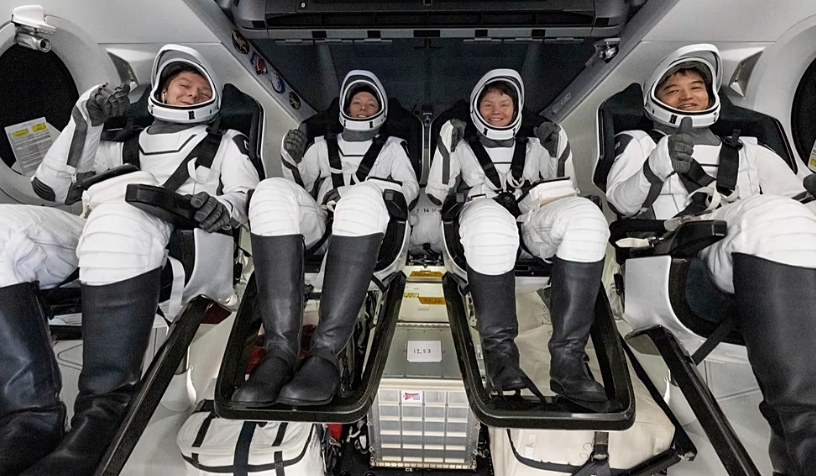
The study, published in Cell Stem Cell, tracked changes in blood-forming stem cells during four SpaceX missions to the International Space Station (ISS). Researchers used haematopoietic stem and progenitor cells (HSPCs), which are crucial for producing blood and maintaining immune function.
When these cells spent 32 to 45 days in space, they began to display hallmarks of accelerated ageing. This included reduced capacity to generate healthy new cells, DNA damage, and shorter telomeres — protective caps on chromosomes that naturally shorten with age.
“Space is the ultimate stress test for the human body,” said Dr. Catriona Jamieson, study co-author and director of the Sanford Stem Cell Institute at the University of California San Diego. “Our findings show that the stressors of space — including microgravity and cosmic radiation — can accelerate the molecular ageing of blood stem cells.”
Using AI to Track Ageing in Space
The team used artificial intelligence-powered imaging tools to monitor cellular changes in real time during the missions. By studying HSPCs in microgravity, they were able to observe how quickly biological deterioration can occur outside Earth’s atmosphere.
Interestingly, some of the damage appeared to reverse when the cells were returned to Earth and placed in healthier environments. This suggests that while space accelerates cellular ageing, certain effects may be at least partially reversible.
Implications for Astronauts and Space Travel
The findings highlight the urgent need to develop countermeasures to protect astronauts as space agencies and private companies push for longer missions to the Moon, Mars, and beyond.
“Understanding these changes not only informs how we protect astronauts during long-duration missions but also helps us model human ageing and diseases like cancer here on Earth,” Jamieson noted.
The next phase of research will investigate whether similar molecular changes occur in astronauts themselves. Scientists hope to identify medical or genetic interventions that could mitigate the harmful effects of prolonged exposure to microgravity and cosmic radiation.
A New Era of Space Medicine
As commercial spaceflight expands and research in low Earth orbit grows, the health risks of space travel are becoming more pressing. The study suggests that prolonged stays in orbit could increase vulnerability to age-related conditions and weaken immune systems, underscoring the need for new medical strategies.
“This is essential knowledge as we enter a new era of commercial space travel,” Jamieson added. “Protecting human health in space will be as important as developing the technology to get us there.”
