


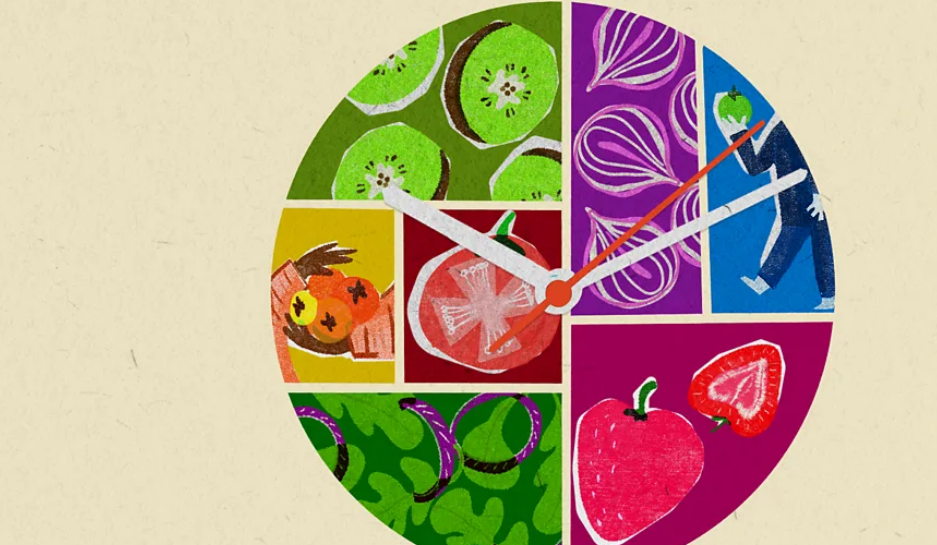
Health experts are highlighting the significant role diet plays in improving sleep quality, with growing evidence that what we eat throughout the day may be just as important as when we eat it.
Many people know the discomfort of going to bed after a heavy late-night meal, only to wake up feeling drained. Digesting rich food requires extra energy, often disrupting rest. However, researchers say that making specific dietary choices may not only help avoid disturbed nights but also actively promote better sleep.
Studies suggest certain foods and drinks can influence sleep patterns. For instance, small trials indicate tart cherry juice and kiwifruit consumed before bedtime may improve rest. Traditional remedies such as warm milk also appear to have merit, thanks to its high levels of tryptophan – an amino acid the body uses to produce melatonin, the hormone that regulates the sleep-wake cycle. Other foods rich in melatonin include eggs, fish, nuts and seeds.
Yet experts warn against relying on a single “sleep food.” “You can’t eat poorly all day long and think that it’s enough to have a glass of tart cherry juice before bedtime,” said Marie-Pierre St-Onge, professor of nutritional medicine at Columbia University. She explained that the body needs time to process nutrients and generate sleep-promoting neurochemicals, meaning overall diet matters more than one-off choices.
Research points towards a plant-based diet rich in fruits, vegetables, wholegrains, dairy, and lean proteins such as fish as most beneficial for sleep. In a 2021 study, University of Michigan nutrition scientist Erica Jansen found that people who increased their fruit and vegetable intake saw noticeable improvements in sleep. Women, in particular, were more than twice as likely to report relief from insomnia symptoms when they added at least three daily servings of produce.
The link between tryptophan intake and sleep has also been reinforced in large-scale studies. A 2024 survey of more than 11,000 students in Spain revealed that those with the lowest tryptophan consumption were significantly more likely to suffer from insomnia and shorter sleep duration. Because tryptophan is a precursor to serotonin – which is later converted into melatonin – experts say diets low in this amino acid may directly affect rest.
While individual foods like cherries, milk or kiwi may help, researchers emphasize that long-term dietary habits carry the greatest weight. A balanced diet that consistently provides the nutrients required to produce melatonin is far more effective than occasional pre-bedtime snacks.
In short, a healthier daily diet may be one of the most natural and sustainable ways to tackle sleep difficulties – offering a simple solution to one of today’s most common health concerns.
