


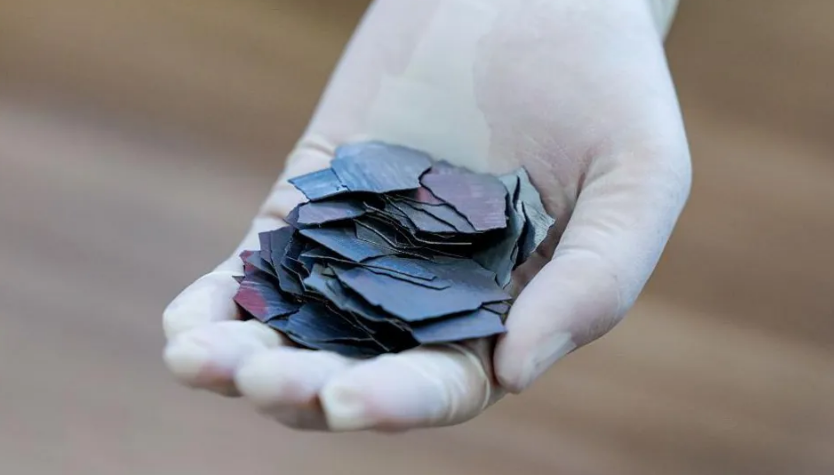
Eneabba, a remote town three hours north of Perth, has become the focus of Australia’s latest push to break China’s grip on the global rare earths market. Beneath its barren landscape lies a million-tonne stockpile of rare earth minerals—critical components for electric vehicles, wind turbines, and defence systems.
Mining firm Iluka Resources, long known for zircon production, has been sitting on this cache for decades. The byproducts of its mineral sands mining include dysprosium and terbium—two of the most sought-after rare earths. These minerals are vital in manufacturing everything from car braking sensors to renewable energy technology.
While mining the materials is straightforward, processing them is far more complex. Rare earth elements are chemically similar, requiring extensive refining stages that produce radioactive waste. To address this challenge, the Australian government has pledged A$1.65 billion ($1 billion) to fund the construction of a state-of-the-art refinery at Eneabba. The facility, expected to be operational within two years, aims to supply a significant share of Western demand by 2030.
China currently accounts for more than half of global rare earth mining and nearly 90% of processing. The United States imports about 80% of its rare earths from China, while the European Union relies on Beijing for roughly 98% of its supply. This concentration of production has allowed China to leverage supply as a geopolitical tool, notably during recent trade disputes.
“An independent, secure, and sustainable supply chain outside of China is fundamental for the continuity of our customers’ businesses,” said Dan McGrath, Iluka’s head of rare earths. “This refinery is an alternative to China.”
Australia’s resources minister Madeleine King stressed that the open market for rare earths is “a mirage” given China’s ability to influence pricing and supply. She said Canberra’s intervention is a strategic necessity, ensuring industries vital to the green transition and national security are not left vulnerable to supply shocks.
However, environmental concerns loom large. China’s history of poor regulation has left some regions scarred by chemical and radioactive contamination from rare earth processing. Experts note that while no metal industry is entirely clean, Australia’s legal and environmental frameworks offer more stringent safeguards.
With the global demand for rare earths expected to surge by as much as 170% this decade, Australia is positioning itself as a cleaner, more reliable supplier. The Eneabba refinery represents both an economic opportunity and a strategic move to reduce the world’s dependence on a single dominant player.
