


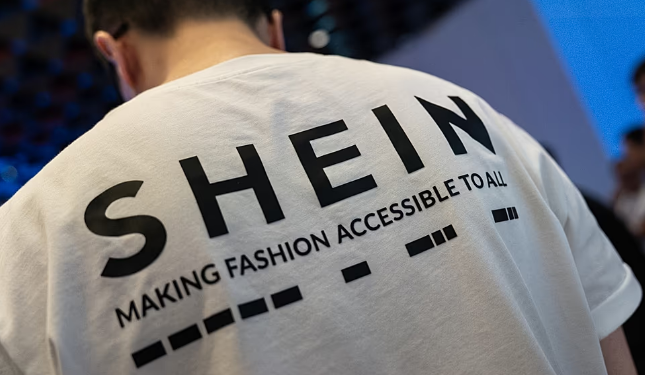
Shein shares fell sharply on their Hong Kong trading debut on Tuesday, dropping as much as 10% before recovering some of the losses, as the fast-fashion company faces rising tariffs and shipping costs that have put pressure on its profits.
The listing marks the end of a lengthy effort by Shein to enter public markets. The company had previously considered listings in New York and London but faced regulatory scrutiny over its Chinese supply chain and business practices. It eventually turned to Hong Kong for its initial public offering.
Shein priced its shares at HK$48.56 each and raised about $1.7 billion (€1.46 billion), making the offering one of Hong Kong’s largest share sales of the year. The company opened its IPO for investors on August 24 before setting the final share price on August 31. Trading began on Tuesday after the exchange completed its approval process.
Shares initially dropped below HK$44 before narrowing their losses.
“Shein’s Hong Kong listing marks a new starting point,” Chief Financial Officer Leigh Gui said during the company’s listing ceremony.
The company has built its global business around producing inexpensive clothing quickly and shipping orders from China to customers in Western markets. That model is now facing higher costs as the US and European Union reduce or end tariff exemptions for low-value parcels from China.
Shein’s profits have been hit by the changing trade environment. The company reported a $99 million (€85 million) loss in the first quarter of the year, compared with a profit of $395 million (€340 million) a year earlier.
Higher shipping expenses have added to the pressure, making it harder for the company to maintain its low-price strategy. Tariff costs have also forced Shein to increase prices, potentially weakening one of its biggest attractions to consumers.
Shein was founded in China in 2012 and later moved its corporate headquarters to Singapore in 2021. Despite that move, its manufacturing network remains closely connected to Guangdong province, where the company developed its small-batch production system.
Founder Sky Xu has described Guangdong as the company’s roots and the starting point of its growth.
The company has also faced regulatory challenges in Europe. In February, the EU opened an investigation into Shein over concerns involving allegedly illegal products, including accusations related to child sexual abuse material.
Shein’s Hong Kong debut values the company at roughly $27 billion (€23.2 billion), far below its peak private-market valuation.
The listing nevertheless gives Hong Kong’s stock market a major boost. The exchange has attracted more than $40 billion (€34.4 billion) through IPOs so far this year, as companies continue to seek access to international investors through the city’s financial markets.
