


Congo’s latest Ebola outbreak has become the deadliest ever recorded in the country, with more than 2,300 people killed since the virus began spreading, according to government figures released Monday.
The Health Ministry reported 4,945 confirmed and suspected cases and 2,325 deaths. In the previous 24 hours alone, 101 new infections and 33 additional deaths were recorded.
More than 1,000 patients have recovered from the disease, while about 730 remain in hospitals or isolation facilities.
The outbreak is Congo’s 17th and has now surpassed the death toll from the 2018-2020 Ebola epidemic, which killed 2,299 people.
The World Health Organization has described the current spread as occurring at an “exceptional pace”. Its latest weekly figures recorded 579 cases and 304 deaths, highlighting the rapid expansion of the disease across parts of eastern Congo.
The outbreak is affecting six provinces, with Ituri among the hardest-hit regions. Trish Newport, emergency coordinator for Doctors Without Borders, said some families in the area had lost as many as 15 relatives.
She said stronger involvement from local communities was essential to slowing transmission. Residents need to recognise Ebola symptoms and know where to seek care when someone becomes ill, she told The Associated Press.
Health authorities and aid organisations are facing serious obstacles. Some healthcare workers have gone on strike over unpaid wages, while attacks by rebel groups have made access to affected communities more difficult.
Poor roads and weak health infrastructure are also complicating the response, particularly in remote areas. Misinformation about Ebola has added another challenge, with some residents reluctant to trust health workers or seek treatment.
Officials say many new cases are now being detected outside existing surveillance networks, making it harder to identify transmission chains quickly.
The outbreak is caused by the Bundibugyo strain of Ebola, a relatively rare form for which there is currently no approved vaccine or treatment. Clinical trials of potential treatments are under way in Ituri.
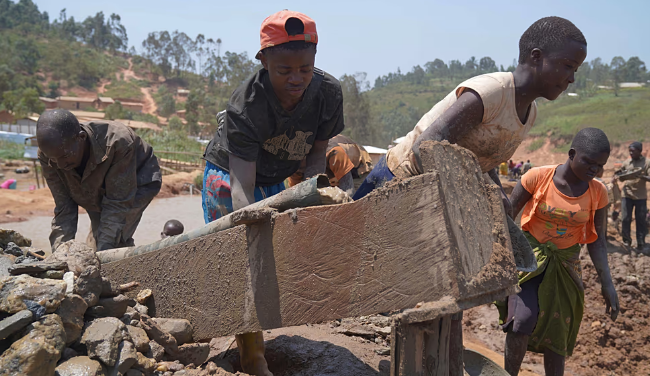
Researchers believe the virus may have been circulating in the mining town of Mongbwalu as early as February, several months before authorities officially declared the outbreak on May 15.
The United Nations has allocated an additional $30.5 million for the emergency response and deployed 20 additional staff to support efforts to contain the disease.
UN humanitarian chief Tom Fletcher described the situation as a “wake-up call” and called for faster action and stronger international assistance.
The escalating outbreak has placed further pressure on Congo’s already strained health system and raised concerns among international health agencies that continued delays in reaching isolated communities could allow infections to spread even further.
