


A South Korean mother who lost her son to a heart attack is continuing her campaign against overnight delivery work, arguing that the country’s demand for faster online shopping is placing workers under dangerous levels of pressure.
Park Mi-suk had urged her 27-year-old son, Jang Deok-jun, to leave his job at Coupang, South Korea’s largest online retailer, just days before his death in 2020. Jang had spent more than a year working overnight shifts at a warehouse, moving pallets loaded with bins and boxes across a vast facility.
During that period, he lost 15kg and frequently complained about exhaustion. Yet Jang refused to resign, telling his mother that leaving would put extra pressure on his colleagues.
A week later, Park found him unconscious in the bath. Despite emergency treatment and a rush to hospital, doctors declared him dead. A state-run workers’ compensation insurer later determined that his heart attack was linked to overwork.
Park says she wishes she had paid closer attention to her son’s complaints. Six years after his death, she continues to call for changes to South Korea’s overnight delivery system.
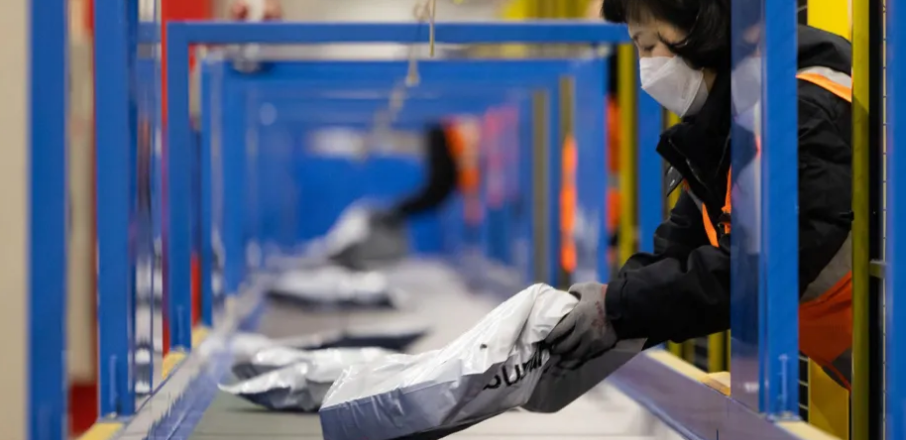
The issue has gained national attention as rapid delivery services have become a central part of everyday life. Customers can place orders before midnight and receive their goods before 7am, a service supported by a large workforce of warehouse employees and delivery drivers.
Coupang has become the biggest player in the sector, building an extensive network of warehouses and delivery vehicles. The company now employs nearly 100,000 people across its operations.
Data from the state-run insurer shows that between 2020 and May 2026, 46 warehouse and delivery workers, including Jang, were officially recognised as having died from work-related stroke or heart disease. However, the figures do not provide a complete picture of the impact of overnight work, as not all cases are reported and investigations into overwork generally take place only when families request them.
Experts warn that working at night can raise the risk of serious health problems. Kang Mo-yeol, a professor of occupational medicine at the Catholic University of Korea, said research has linked night work to cardiovascular disease, diabetes, mental health problems and cancer.
South Korea has no legal limit specifically restricting overnight working hours. A delivery workers’ union called for a ban on overnight deliveries in 2025, but some drivers strongly oppose the idea because night shifts pay more and allow them to care for children or relatives during the day.
One subcontracted Coupang driver, who used a false name, said he earns around 7 million won ($4,600) a month, nearly twice the national average. He works from 9pm to 7am, five or six days a week, delivering packages under strict deadlines.
For drivers like him, the financial rewards remain important despite the health risks. The debate over South Korea’s delivery culture now centres on whether convenience and higher wages can justify working patterns that critics say are taking a serious toll on workers’ health.
