


The World Health Organization has declared the Ebola outbreak affecting the Democratic Republic of the Congo and Uganda a global health emergency, warning that the true scale of infections may be far greater than current figures suggest.
In a statement issued on Sunday, the WHO said the outbreak now qualifies as a “public health emergency of international concern” after consultations with health authorities in both countries. The agency stressed that while the situation is serious, it does not meet the threshold of a pandemic emergency.
Health officials reported around 246 suspected Ebola cases and 80 suspected deaths in Congo’s eastern Ituri Province as of Saturday. Eight cases have been confirmed through laboratory testing. Additional confirmed infections were detected in Uganda’s capital Kampala and in Kinshasa, the capital of Congo.
The WHO said there are “significant uncertainties” surrounding the actual number of infections and the geographic spread of the outbreak. It also noted that investigators still have limited information regarding how many of the cases are linked.
The outbreak has raised concerns because Ebola is one of the world’s deadliest infectious diseases. First identified in 1976 near the Ebola River in what is now Congo, the virus can cause severe fever, vomiting, diarrhea, weakness and internal bleeding. According to the US Centers for Disease Control and Prevention, fatality rates in some outbreaks have reached as high as 90 percent.
The latest outbreak is unfolding in a region where healthcare access remains limited and where movement across borders can complicate containment efforts. Public health experts fear undetected transmission chains may already exist in communities that have not yet been reached by surveillance teams.
The Africa Centres for Disease Control and Prevention said it is closely monitoring developments and working with governments and international partners to coordinate a rapid response. Officials said the priority is to interrupt transmission, strengthen testing and tracing systems, and reduce the risk of the virus spreading into neighboring countries.
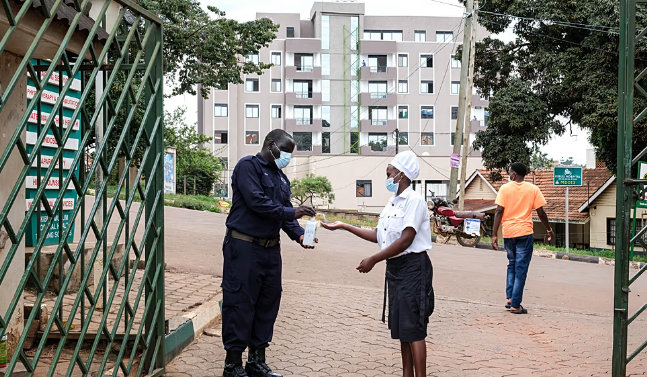
Emergency teams have already begun expanding screening measures and increasing public awareness campaigns in affected areas. Health workers are also attempting to identify and monitor people who may have had contact with infected individuals.
Although previous Ebola outbreaks in Africa have been brought under control through isolation measures, vaccination campaigns and international assistance, officials caution that every outbreak presents different challenges.
The WHO’s emergency declaration is expected to mobilize additional funding, medical supplies and personnel for the response effort. International agencies are also expected to increase support for laboratories, border screening and treatment facilities in the affected regions.
Health experts continue to urge vigilance while emphasizing that the outbreak remains concentrated in specific areas and has not reached the level of a global pandemic.
