


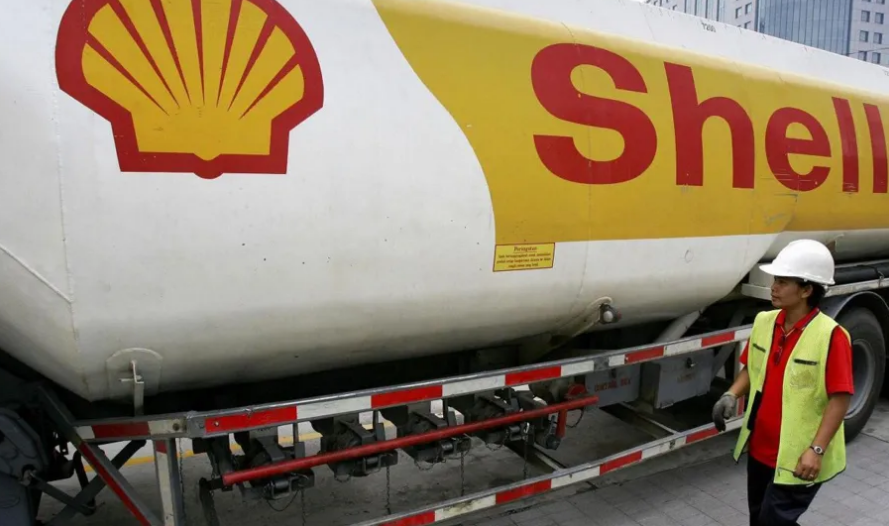
Shell has reported a sharp rise in quarterly profits, becoming the latest major energy company to benefit from volatile oil markets triggered by the ongoing Iran-related conflict and the disruption of global shipping routes.
The energy group posted earnings of $6.92 billion for the first three months of the year, up from $5.58 billion in the same period last year and ahead of market expectations. The results follow a broader trend across the sector, with rivals also reporting strong gains as crude prices fluctuate due to instability in the Strait of Hormuz, a key global energy corridor.
The waterway typically carries around a fifth of the world’s oil and liquefied natural gas supplies. Its effective closure has sent shockwaves through global markets, pushing prices higher and creating significant trading volatility. Brent crude, which stood near $73 a barrel before the conflict escalated, has since swung sharply, at one point exceeding $120 before settling near $101.
Shell chief executive Wael Sawan said the company’s performance reflected disciplined operations during an unstable period. “Shell delivered strong results enabled by our relentless focus on operational performance in a quarter marked by unprecedented disruption in global energy markets,” he said.
The company’s trading division was a key driver of profit growth, benefiting from wider price gaps between crude purchases and sales during periods of volatility. Higher refining margins also contributed, particularly in the production of fuels such as petrol and jet fuel.
Despite the earnings boost, Shell reported a 4% decline in oil and gas production compared with the previous quarter. Output from its liquefied natural gas operations in Qatar has been disrupted since March, while facilities at its Pearl GTL site have suffered damage linked to regional attacks.
The results mirror strong performances across the sector. BP more than doubled its quarterly profit, while Norway’s Equinor reported $9.77 billion in earnings, its highest in three years.
The surge in energy profits has intensified political and public criticism. Environmental groups argue that households and motorists are facing higher costs while energy firms benefit from market instability. Calls have grown to expand windfall taxes on fossil fuel companies, although the UK levy currently applies only to domestic oil and gas production, which represents a small portion of global earnings for firms like Shell.
At the same time, rising wholesale energy prices are expected to affect consumer bills, with forecasts suggesting further increases in household costs later this year.
In parallel, shipping giant Maersk said it is absorbing significant cost increases linked to fuel price spikes and passing them on to customers. Chief executive Vincent Clerc warned that continued disruption in the Strait of Hormuz could reshape global shipping economics, potentially introducing toll systems similar to those used in the Suez and Panama Canals, although he said such outcomes remain uncertain while the waterway stays closed.
