


Oil markets came under intense pressure on Thursday as Brent crude briefly surged to $126 a barrel, its highest level since 2022, amid growing fears that stalled US-Iran negotiations could trigger renewed military escalation and further disrupt global supply chains.
Brent crude rose more than 7% in early trading, while US West Texas Intermediate (WTI) climbed over 3% to above $110 a barrel before both benchmarks eased slightly later in the session. By mid-morning, Brent was trading near $122 and WTI around $108.5, still holding sharp gains as markets reacted to rapidly deteriorating geopolitical conditions.
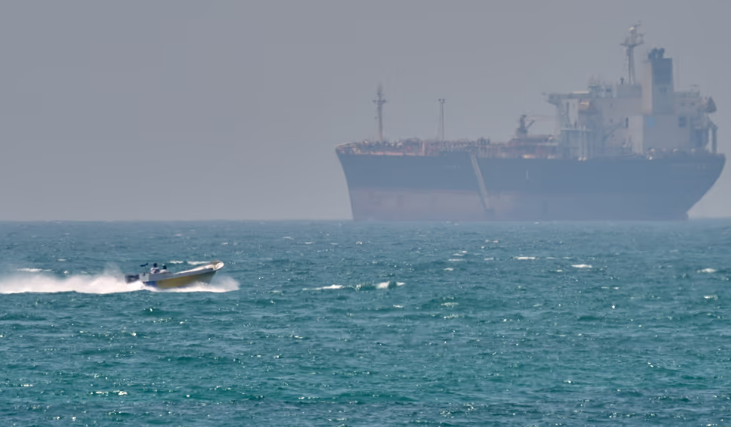
The rally has been driven by uncertainty over the future of the Strait of Hormuz, a critical shipping route that carries around one-fifth of global oil supplies. With diplomatic efforts stalled and both Washington and Tehran maintaining restrictive measures in the region, traders are increasingly pricing in the risk of prolonged disruption.
Investor concern intensified following reports that US President Donald Trump is scheduled to meet senior military officials, including US Central Command chief Admiral Brad Cooper, to review potential military options in Iran. According to US media reports, expanded operations are being actively discussed, adding to market anxiety that conflict could escalate further.
A fragile ceasefire has held since early April, but negotiations aimed at restoring shipping access through the Strait have collapsed, with neither side willing to make concessions. The continued blockade of Iranian ports and restricted maritime movement has already removed significant volumes of crude from global markets.
Market analysts say the situation has created a strong “war premium” in oil prices, overshadowing other supply-side developments. Even structural changes within OPEC+ have had limited impact on sentiment. Earlier this week, the United Arab Emirates formally withdrew from OPEC, a move initially expected to alter production dynamics. However, traders have largely ignored the development as geopolitical risk dominates pricing.
The UAE’s exit highlights growing fragmentation within global energy governance at a time when supply security is under strain. While it signals potential long-term shifts in production strategy, immediate concerns remain focused on Iranian exports, shipping routes, and the stability of Gulf infrastructure.
Prices have now reached levels last seen during the early stages of the Russia-Ukraine war, reflecting heightened volatility across energy markets. Analysts warn that continued uncertainty in the Middle East could keep oil elevated in the near term, particularly if diplomatic efforts fail to resume or if military activity escalates further.
