


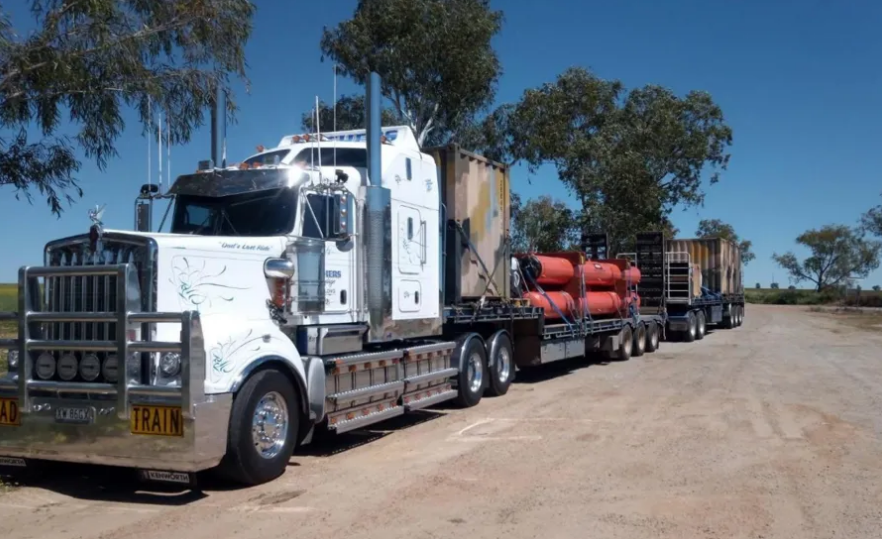
Australia is facing mounting pressure from a deepening fuel crisis, with surging diesel prices hitting the country’s transport sector and raising concerns about wider supply chain disruptions.
The sharp rise in fuel costs follows global market turmoil linked to conflict involving Iran, which has pushed oil prices to record highs. For Australia’s trucking industry, which depends heavily on diesel to move goods across vast distances, the impact has been immediate and severe.
In a rare national address, Prime Minister Anthony Albanese urged Australians to limit fuel use and rely more on public transport where possible. He described the situation as uncertain but said the country would respond collectively to the challenge.
Despite the appeal, many operators say the crisis is already threatening their survival. Aaron Fischer, who runs a trucking business based in Howlong near the border of New South Wales and Victoria, said his fuel expenses have doubled within weeks.
Before the crisis, filling a single tank cost around A$3,600. Now, he says, the same fill-up costs about A$7,500. His monthly fuel bill has jumped from A$150,000 to A$300,000, placing enormous strain on his finances as payments from clients can take up to two months to arrive.
Fischer’s fleet regularly travels across the Nullarbor Plain, a remote 1,200-kilometre stretch between South Australia and Western Australia. The route has limited fuel stops, and reports of diesel shortages have added to the pressure on drivers already dealing with long distances and heavy loads.
Industry figures show diesel prices have surged to more than 312 cents per litre nationally, compared with about 180 cents before the conflict began. Petrol prices have also climbed sharply, adding to the broader cost-of-living pressures.
The government has announced A$1 billion in interest-free loans for the transport and freight sectors, along with support for fuel and fertiliser producers. However, some in the industry argue that loans will only increase financial burdens rather than ease them.
Alex Randall, a representative of freight platform Loadshift, said smaller operators in particular need direct financial assistance rather than additional debt. He warned that rising costs and falling demand are forcing some businesses to scale back operations or stop altogether.
Drivers on the ground are also feeling the strain. Michael Webb, a long-haul driver, described the current costs as unprecedented after completing a cross-country journey from eastern Australia to Perth. He said the situation is affecting not only transport workers but also the availability and price of everyday goods.
New entrants to the industry are facing even tougher conditions. William Hawkes, who launched his trucking business just three months ago, has had to increase prices significantly, putting pressure on relationships with clients and reducing the volume of work.
Veteran driver Terry Snell, with more than 40 years of experience, said he has cut his trips in half due to shrinking profit margins. He warned that unless conditions improve soon, the country could face serious supply chain disruptions as fewer trucks remain on the road.
