


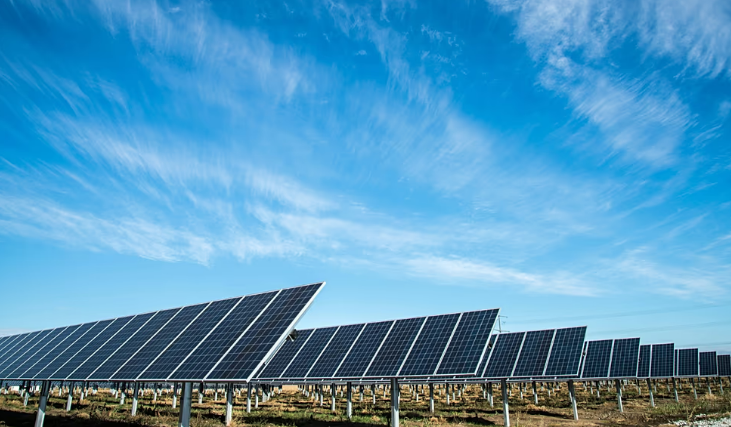
Plans to build what would become Europe’s largest solar farm have been thrown into doubt after months of scrutiny, highlighting tensions between the push for renewable energy and local concerns. Politicians say that renewables must play a “central role” in strengthening energy security, but the project has faced resistance from residents and campaigners.
Botley West Solar Farm, first proposed in September 2022, is located in Oxfordshire, England, and aims to connect to the grid by autumn 2029. The farm could generate 840 megawatts of electricity, enough to power roughly 330,000 homes, representing 1.2 percent of the UK’s solar capacity targets by 2035. Developer Photovolt Development Partners (PVDP) says the £800 million (€916 million) project will reduce carbon emissions while bolstering the country’s energy security.
While PVDP has promised a minimum biodiversity net gain of 70 percent, local opposition has grown over fears the project could damage the landscape and agricultural production. Ian Hudspeth, former leader of Oxfordshire County Council, described the proposed site as creating an “ocean of glass and steel” across the countryside.
A protest group, Stop Botley West, has been established to challenge the plan. The group warns that the installation of solar panels could reduce crop yields, harm wildlife habitats, increase flooding risk, and create an “unprecedented” visual impact on the area, particularly near the UNESCO World Heritage site Blenheim Palace.
Academics argue that some concerns may be overstated. Nick Eyre from the University of Oxford’s Environmental Change Institute told the BBC that fears over food security are “hugely exaggerated.” He noted that the UK already dedicates one percent of its land to golf courses without similar objections, suggesting that solar development can coexist with agricultural needs.
The project has been closely monitored by planning authorities. A report on Botley West was sent to Energy Secretary Ed Miliband in February, triggering a three-month window for a decision under UK planning law. That decision was initially expected by 10 May but has now been postponed to 10 September.
Martin McCluskey, Minister for Energy Consumers, said the delay allows the government to “seek further information from the applicant with sufficient time to allow for consideration of this information by other interested parties.” He added that the new deadline “is without prejudice to the decision on whether to grant or refuse development consent.”
Professor Alex Roger, chair of Stop Botley West, welcomed the delay, saying, “We welcome the Secretary of State’s decision to seek further information from the Applicant, and to allow sufficient time for consideration by interested parties such as the Stop Botley West community group.”
The controversy over Botley West underscores the delicate balance between Europe’s urgent need for clean energy and local communities’ desire to protect their environment and heritage. Solar power, identified as the cheapest form of renewable energy, saved Europe an estimated €3 billion last month by reducing reliance on fossil fuel imports, but implementing large-scale projects remains politically and socially complex.
Euronews Earth has reached out to PVDP for comment.
