


Gulf countries reported multiple attacks on industrial and civilian infrastructure as the conflict between the US, Israel, and Iran entered its fifth week, raising fears of wider regional instability and economic disruption.
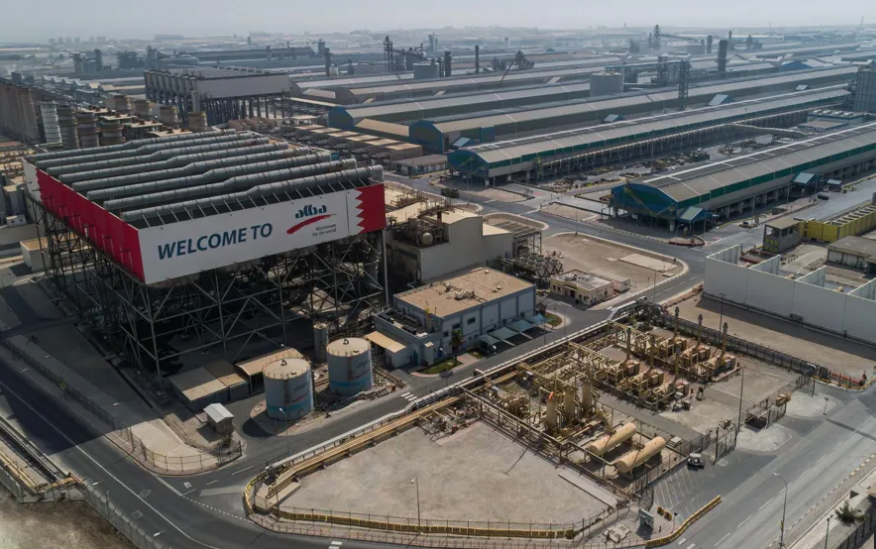
The United Arab Emirates confirmed that an Iranian strike hit a major aluminium plant in Abu Dhabi, injuring several people and causing significant damage to the facility, operated by Emirates Global Aluminium. State-owned Aluminium Bahrain reported two employees were wounded in a separate Iranian attack on one of the world’s largest aluminium smelters.
Iran’s Islamic Revolutionary Guard Corps said drones and missiles targeted the facilities in retaliation for US and Israeli strikes on its industrial sites. The IRGC claimed the aluminium plants were linked to American military operations, according to Iran’s semi-official Mehr news agency. These attacks followed Tehran’s accusation that Israel targeted two steel production facilities critical to Iran’s economy.
In Oman, authorities said they were investigating an incident described as a “cowardly attack” on the southern port of Salalah which a foreign worker was reportedly injured. Kuwait reported significant damage to the radar system at its international airport after an assault involving 15 drones.
The conflict has also expanded to Yemen, where the Iran-backed Houthi group launched a missile attack on Israel, targeting “sensitive” military sites. Israel said it intercepted two missiles from Yemen. Analysts warn that if the Houthis begin targeting shipping in the Red Sea, energy prices could spike further, as Iran has effectively disrupted traffic through the Strait of Hormuz, a vital global oil and gas route.
Israel continued airstrikes in Lebanon, with three journalists killed on Saturday. Among them was Ali Shoeib of Hezbollah-affiliated Al Manar TV, whom the Israel Defense Forces described as a “terrorist” connected to Hezbollah’s Radwan Force. The IDF did not provide evidence to support claims about his military role and made no comment on the deaths of the other two journalists, Fatima and Mohamed Ftouni.
The World Health Organization reported that nine paramedics were killed in southern Lebanon within 24 hours on Saturday, bringing the total number of health personnel killed in March to 51.
The attacks across the Gulf and the Levant underscore the widening impact of the US-Israel conflict with Iran. The strikes on industrial and civilian targets, combined with the growing involvement of regional actors such as the Houthis, have intensified concerns over the safety of shipping routes, energy supplies, and humanitarian operations.
Energy markets have already reacted, with oil and gas prices rising amid disruptions in the Strait of Hormuz. Regional analysts warn that further escalation could have broader economic consequences for the Gulf and beyond, particularly if maritime routes are targeted.
