


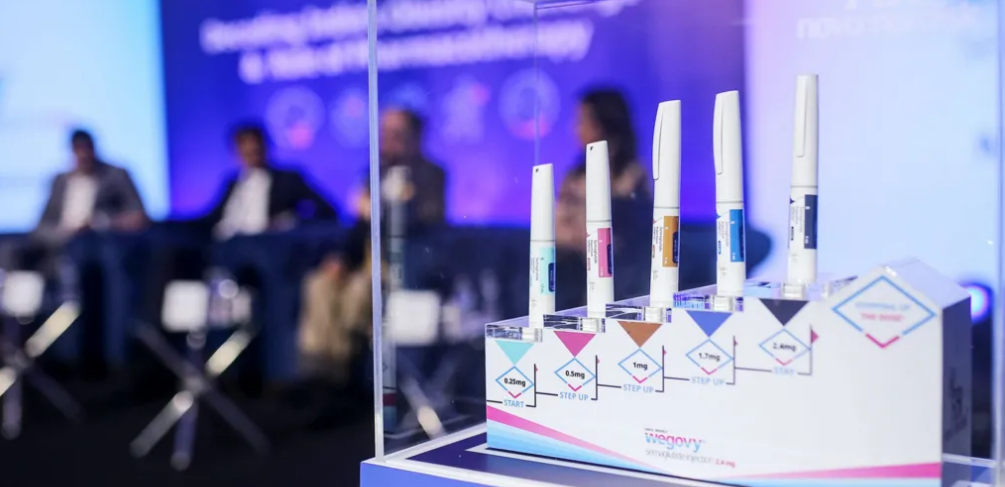
India is set to witness a surge in access to weight-loss medications as the patent for semaglutide, the molecule behind Novo Nordisk’s Wegovy and Ozempic, expires on Friday. The development opens the door for domestic pharmaceutical companies to produce generic versions, potentially cutting prices by more than half and expanding availability across the country.
Investment bank Jefferies described the moment as a potential “magic-pill moment” for India, projecting the semaglutide market could reach $1 billion domestically if pricing and adoption align. Analysts anticipate around 50 branded generics to hit the market within months, reflecting the rapid competition that has become common in India’s pharmaceutical sector. When sitagliptin, a diabetes drug, went off patent in 2022, roughly 30 branded versions appeared within a month and nearly 100 within a year.
Semaglutide, originally developed for diabetes, has become a sought-after weight-loss treatment. Part of the GLP-1 receptor agonist class, the drug mimics a hormone regulating appetite and blood sugar. It slows stomach emptying and increases insulin release, helping users feel full sooner and stay satisfied longer.
Several Indian firms, including Cipla, Sun Pharma, Dr Reddy’s Laboratories, Biocon, Natco, Zydus, and Mankind Pharma, are preparing branded generics. Current treatment costs are high, with Ozempic priced at 8,800–11,000 rupees per month and Wegovy at 10,000–16,000 rupees. Analysts predict generics could fall to 3,000–5,000 rupees monthly, potentially making the treatment far more accessible.
India’s anti-obesity drug market has already expanded sharply, growing from roughly $16 million in 2021 to nearly $100 million, fueled by the launch of the first oral semaglutide, Rybelsus, in 2022. The country faces significant demand, with over 77 million people living with type-2 diabetes and a large population of overweight adults, driven by urban lifestyles, carbohydrate-rich diets, and sedentary habits.
Doctors are optimistic but cautious. Mumbai-based bariatric surgeon Muffazal Lakdawala said cheaper access could benefit millions of diabetic and obese patients. However, he stressed the need for strict regulation to ensure drug quality. Diabetologist Rahul Baxi highlighted the importance of patient selection, lifestyle changes, and gradual weight loss to avoid complications such as nausea, digestive issues, or muscle loss.
Concerns also exist about misuse. Gym trainers, beauty clinics, and online pharmacies have occasionally dispensed high doses without proper medical oversight. Physicians warn that cheaper generics could lead to wider abuse if regulations are not enforced.
The Indian government has already issued advisories warning against direct-to-consumer promotion of weight-loss drugs and emphasizing that they should be used only under medical supervision.
Despite these challenges, experts agree that the expiration of Novo Nordisk’s patent could dramatically reshape access to semaglutide, making once-costly weight-loss treatments attainable for millions of Indians and potentially expanding export opportunities to global markets. Baxi noted that many patients are already waiting: “I am writing prescriptions for patients to start after March 20 when prices come down.”
This landmark moment may mark a turning point in India’s anti-obesity treatment landscape, balancing affordability with careful oversight.
